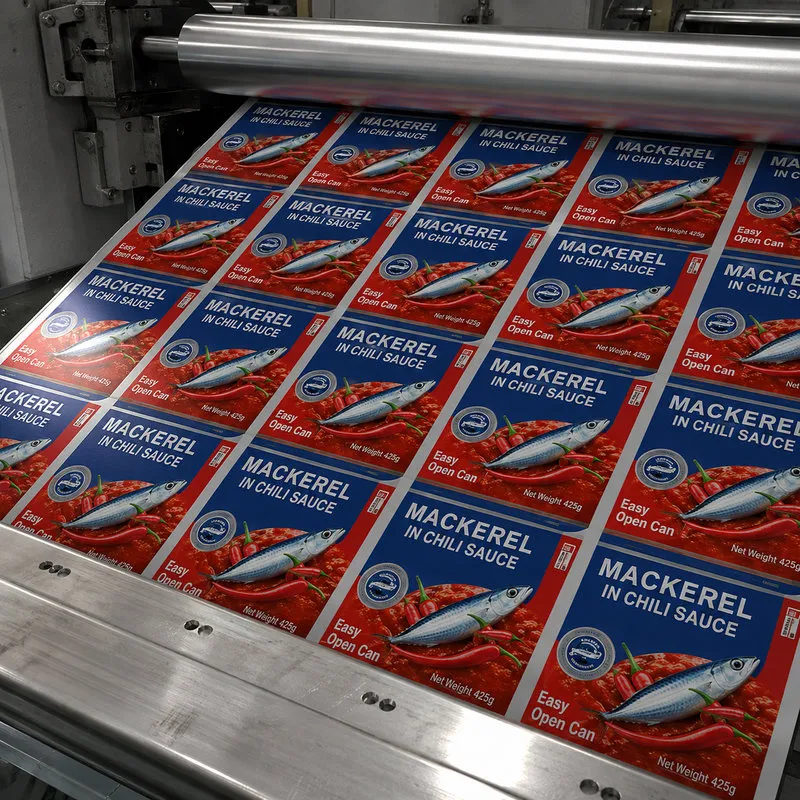
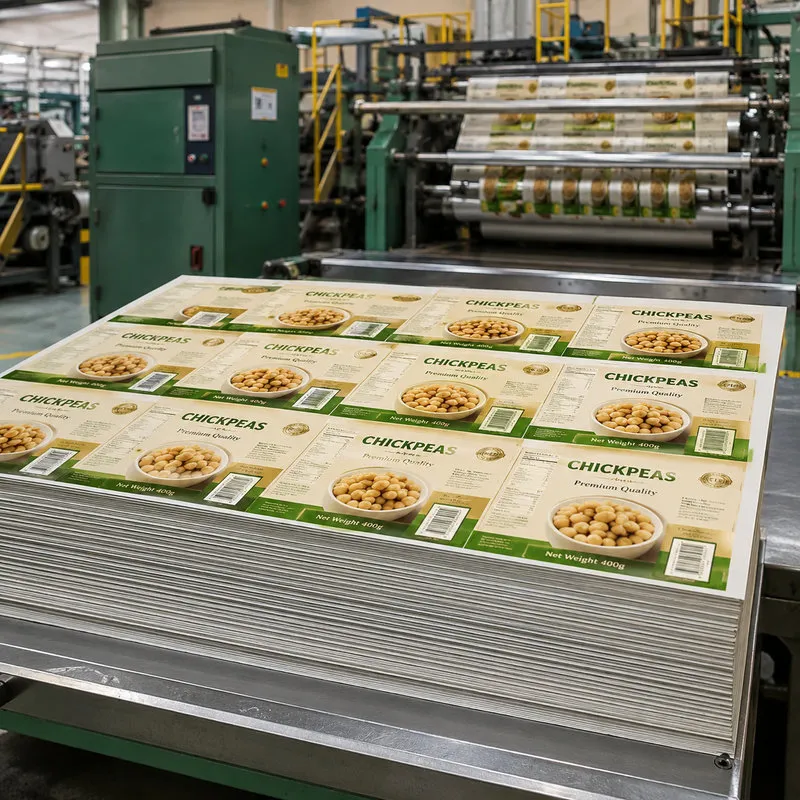
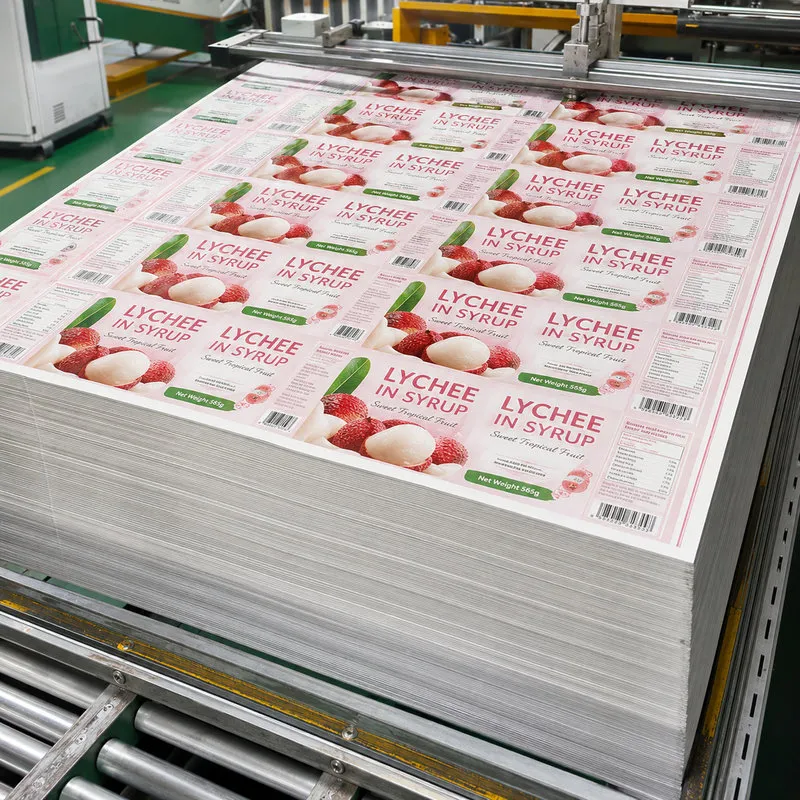
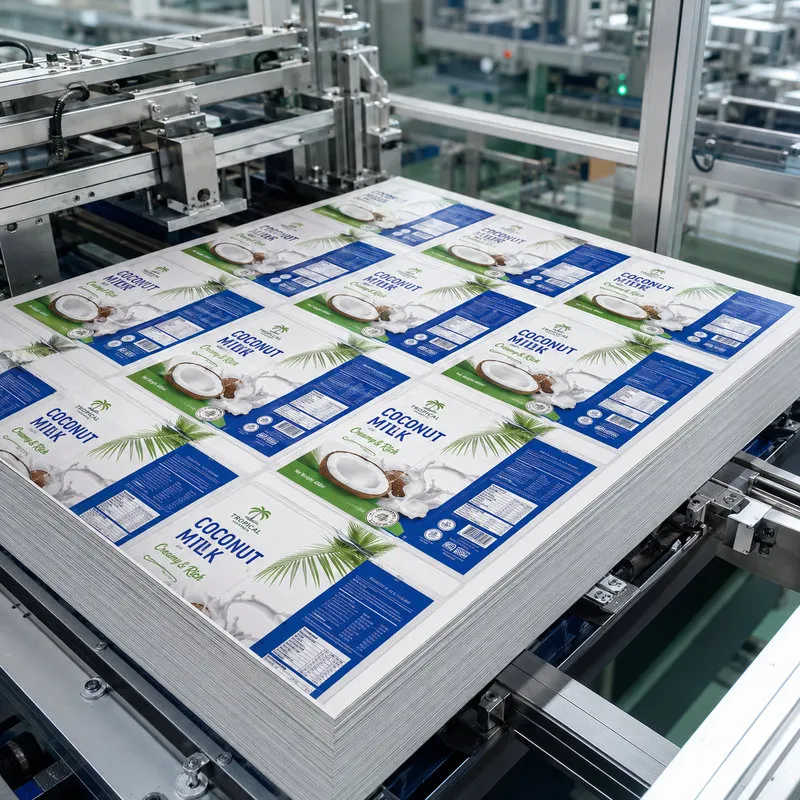
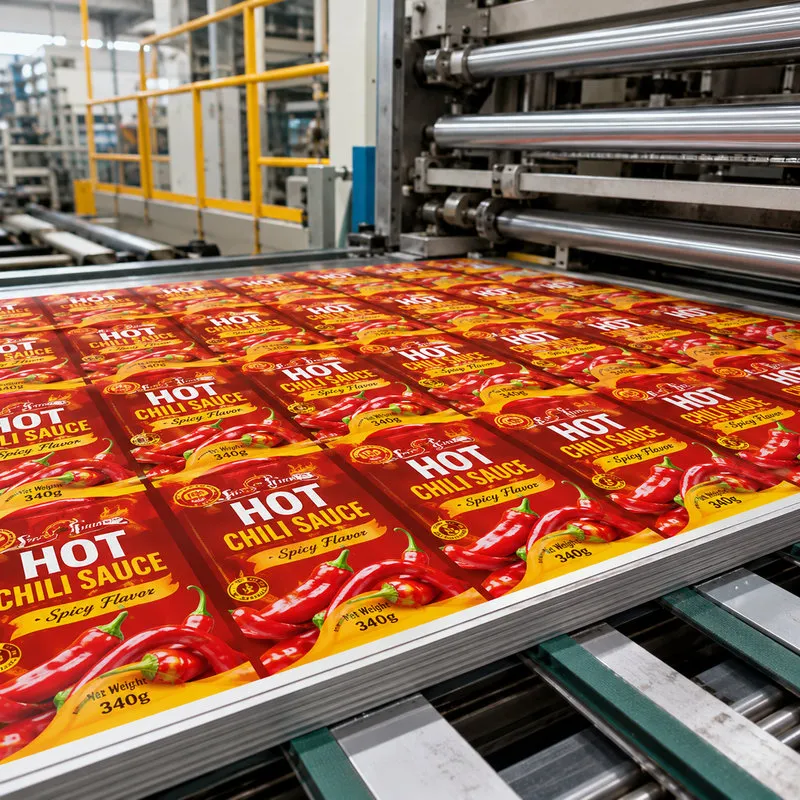
Custom Food Can Printing – OEM artwork, logo, product graphics and multilingual designs supported.
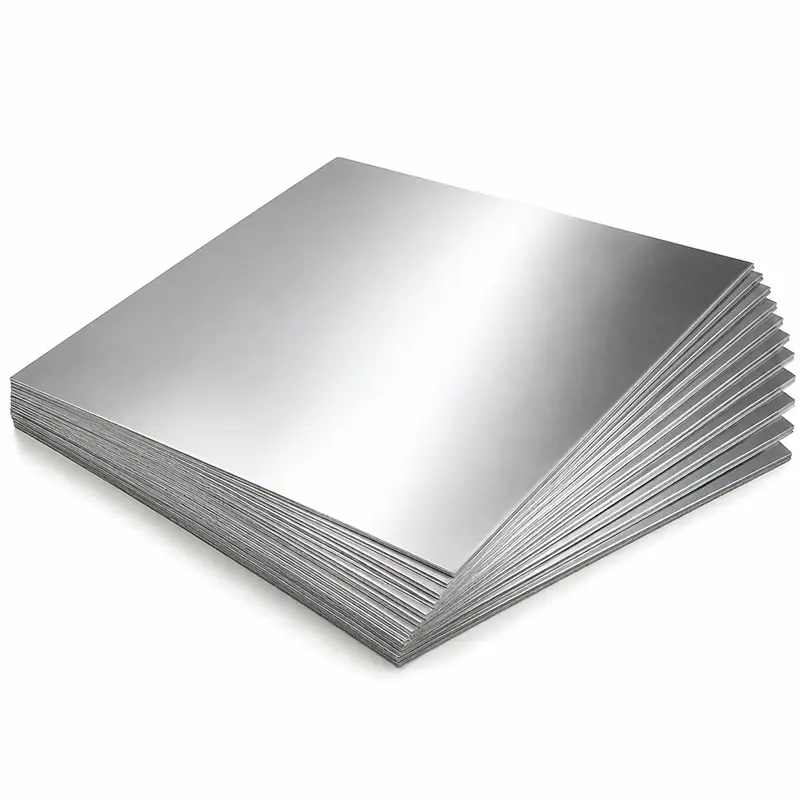
Food Can Tinplate Substrate – ETP sheets with customized temper, thickness and tin coating.
Multi-color Lithographic Printing – CMYK, spot colors, metallic effects and varnish options available.
Can-making Ready Sheets – Designed for cutting, welding, forming, flanging and seaming processes.
Complete Export Documents – COO, MTC, export license and shipping documentation available.
Printed tinplate sheet is an electrolytic tinplate material that has been lacquered, lithographically printed and finished according to the branding and technical requirements of metal can manufacturers.
It is widely used for the production of tomato paste cans, sardine cans, tuna cans, fruit cans, vegetable cans, condensed milk cans, milk powder tins, coffee cans, edible oil containers and other food-grade metal packaging.
Unlike ordinary unprinted tinplate, printed tinplate combines the structural performance of steel packaging with customized graphics, brand colors, product information and protective coating systems.
Henan GDD provides one-stop support covering tinplate substrate selection, artwork review, color separation, printing, lacquering, varnishing, cut-to-size processing and coordination with downstream can-making requirements.
| Item | Specification |
|---|---|
| Product Name | Custom Printed Tinplate Sheet / Lithographed ETP Sheet for Food Cans |
| Base Material | Electrolytic Tinplate, ETP / SPTE |
| Common Standards | ASTM A623/A624, JIS G3303, EN 10202, GB/T 2520 or Customer Specification |
| Thickness | 0.13 mm – 0.50 mm or Customized |
| Sheet Width | 500 mm – 1200 mm or Customized According to Printing Layout |
| Sheet Length | 500 mm – 1200 mm or Customized Cut-to-size Dimensions |
| Temper | T1, T2, T2.5, T3, T4, T5, DR7, DR8, DR8.5, DR9 or Customized |
| Tin Coating | 1.1/1.1, 2.8/2.8, 5.6/5.6, 8.4/8.4 g/m², Differential Coating or Customized |
| Tinplate Surface | Bright, Stone, Fine Stone, Silver, Matte or Customized |
| Printing Method | Offset Lithographic Metal Printing |
| Printing Colors | CMYK, Spot Colors, Pantone-style Color Matching, Metallic Effects or Customized |
| Artwork Service | OEM Artwork, Logo Positioning, Color Separation, Layout Adjustment and Pre-production Proofing |
| Internal Coating | Food-contact Lacquer / Gold Lacquer / Clear Lacquer / Customer-specified Coating System |
| External Finish | Gloss Varnish, Matte Varnish, Protective Overprint Varnish or Customized |
| Processing Service | Printing, Lacquering, Slitting, Cut-to-length, Scroll Cutting and Can-making Support |
| Inspection | MTC, Dimension Inspection, Color Inspection, Printing Registration Check, Coating Inspection and Third-party Inspection |
| Applications | Food Can Bodies, Tomato Paste Cans, Sardine Cans, Tuna Cans, Fruit Cans, Vegetable Cans, Milk Powder Tins and Decorative Packaging |
| Available Documents | MTC, Certificate of Origin, Export License Where Required, Commercial Invoice, Packing List, Bill of Lading and Customs Documents |
| Packing | Protective Paper, Steel Cover, Corner Protection, Wooden Pallet, Steel Straps and Seaworthy Export Packing |
| Trade Terms | EXW, FOB, CFR, CIF |
Printed tinplate specifications must be matched with the customer's can size, body blank layout, printing design, welding area, forming process and filling product. Final dimensions, temper, coating, lacquer and artwork should be confirmed before mass production.
Printed tinplate for food cans is electrolytic tin-coated steel that has undergone coating and lithographic printing before being converted into finished metal packaging.
The tinplate substrate provides strength and forming performance, while the printed layer communicates the brand, product type, ingredients, net weight, instructions, regulatory information and visual identity of the finished package.
A protective varnish is normally applied over the printed graphics to improve resistance to scratches, processing marks and handling during subsequent can-making operations.
Production of food cans in tinplate normally begins with the selection of a suitable electrolytic tinplate grade according to the finished can design.
Tinplate thickness, temper, tin coating and surface finish are selected according to can diameter, can height, forming depth, welding process and expected mechanical strength.
The sheets are then lacquered and lithographically printed according to the approved artwork before being cut into can-body blanks or other packaging components.
For three-piece cans, the printed body blank is formed into a cylinder, resistance welded along the side seam, flanged and combined with the bottom and top ends through double seaming.
For drawn cans or other specialized packaging, stamping and drawing operations replace the welded body-forming process.
The production process normally includes substrate confirmation, surface preparation, lacquer application, curing, base coating, multi-color printing, overprint varnishing, inspection and cut-to-size processing.
Printing sequence depends on the artwork design and selected inks. Complex packaging can use multiple printing passes to achieve accurate brand colors, detailed food images and metallic effects.
Each production stage should maintain suitable registration accuracy so that the printed artwork remains correctly positioned after cutting, forming and can-body welding.
Henan GDD supports OEM and ODM printed tinplate projects according to customer artwork, brand guidelines and packaging dimensions.
Customers can provide existing AI, PDF or other suitable production artwork containing logos, product images, ingredients, nutritional information, barcodes and market-specific labeling.
Layout adjustments can be made according to the tinplate sheet size, can circumference, welding allowance and cutting arrangement.
A pre-production proof or confirmed color reference is recommended before mass printing when accurate brand-color reproduction is required.
CMYK printing uses cyan, magenta, yellow and black inks to reproduce photographs, gradients and complex full-color graphics.
Spot colors can be added when a packaging design requires a specific brand color or highly consistent solid-color area.
CMYK and spot-color printing can be combined to reproduce food photographs, brand logos, typography and decorative packaging effects.
Final printed color can be affected by tinplate surface, white base coating, ink formulation, varnish and curing conditions.
A white base coating may be applied before printing when the design requires strong color opacity and consistent reproduction.
Without a white base, the natural metallic appearance of the tinplate can influence the final color and create a metallic visual effect.
The decision to use a white base depends on artwork design, desired visual appearance and customer requirements.
The natural silver appearance of tinplate can be incorporated into packaging graphics to create metallic design effects.
Selected areas of the artwork can be left without opaque white undercoating, allowing the metallic steel surface to remain visible beneath transparent or semi-transparent printed colors.
This technique is commonly used for premium canned foods, seafood packaging, coffee tins, gift tins and decorative metal containers.
The internal surface of a food can may require a suitable protective lacquer to separate the packaged food from the metal substrate.
Lacquer selection depends on the packaged food, acidity, sulfur content, salt concentration, oil content, sterilization conditions and expected shelf life.
Tomato paste, fruit products, seafood and other canned foods can require different coating systems depending on their chemical characteristics.
Customers should provide information about the filling product and processing conditions before confirming the internal coating specification.
Tomato paste cans are one of the common applications for printed tinplate sheets. The external printed surface normally includes brand graphics, tomato images, product specifications and labeling information.
The internal coating system should be selected according to the acidic nature of tomato products and the filling and sterilization process.
Printed body blanks should also reserve the correct welding area for three-piece can manufacturing.
Seafood cans require a suitable combination of tinplate strength, corrosion protection, lacquer compatibility and high-quality printing.
The printed exterior can include product photographs, seafood illustrations, logos, nutritional information and multilingual labeling.
Internal coating selection should take into account the seafood type, salt, oil, sauce and thermal processing conditions.
Printed tinplate can be used for canned fruits, vegetables, beans, sweet corn, mushrooms and other preserved foods.
Large printable surfaces provide sufficient space for branding, ingredients, nutrition panels, country-of-origin information and cooking instructions.
Different internal coating systems may be required depending on product acidity and processing conditions.
Milk powder, coffee, tea, biscuits and other dry-food containers often require high-quality decorative printing and a clean packaging appearance.
Bright or Stone tinplate surfaces can provide a suitable base for multi-color brand graphics, metallic effects and premium packaging designs.
Can dimensions, closure design and moisture-protection requirements should be considered during material selection.
Three-piece food cans consist of a cylindrical can body, a bottom end and a top end.
The printed tinplate sheet is cut into individual rectangular body blanks according to the required can circumference and height.
Each blank is rolled into a cylinder and joined using resistance welding. The welded body is then flanged to prepare the edges for double seaming.
A bottom end is normally seamed to the can body before filling. After the food product has been filled and processed according to the manufacturer's system, the top end is sealed.
Printed tinplate layouts are normally designed to maximize the number of can-body blanks that can be produced from each sheet while minimizing material waste.
The artwork must account for body height, circumference, cutting lines, side-seam welding allowance and safe zones around the printed graphics.
Correct layout design improves sheet utilization and helps prevent logos, text or important graphics from entering cutting or welding areas.
Three-piece welded cans require a controlled unprinted or specially prepared side-seam area so that the can body can be resistance welded correctly.
The artwork layout should therefore reserve the required welding margin according to the can-making equipment.
Welding allowance, lacquer-free zones and printing position should be confirmed before mass production.
Printed tinplate body sheets can be combined with conventional can ends, easy open ends and other closure systems according to the finished packaging design.
EOE dimensions, can diameter, flange profile and seaming specifications should match the can body production system.
Henan GDD can support customers sourcing tinplate sheets, printed body materials and compatible metal can components according to project requirements.
Tinplate temper affects hardness, stiffness and forming behavior during can production.
Softer tempers are generally more suitable for deeper forming operations, while harder tempers provide increased panel resistance and structural rigidity.
T3 and T4 are widely considered for various can-making applications, while higher-strength or double-reduced grades may be selected for lightweight packaging designs.
Final temper should be selected according to can diameter, body height, forming process and production equipment.
Tin coating weight influences corrosion protection, surface appearance, welding behavior and material cost.
Equal tin coating applies similar coating weight to both surfaces, while differential tin coating provides different coating weights on the internal and external sides.
Differential coating can be considered when one side requires increased corrosion protection while the other side is primarily intended for printing.
Bright tinplate provides a highly reflective metallic surface suitable for colorful graphics and premium decorative packaging.
Stone finish provides a fine textured surface commonly used for food cans and general metal packaging.
Fine Stone offers a refined surface texture for printing applications requiring a balanced metallic appearance.
Matte tinplate provides lower surface reflection and can be used to create distinctive packaging designs.
High-quality lithographic printing allows detailed logos, food images, product information and brand colors to be displayed directly on the metal package.
The steel substrate provides rigidity and mechanical protection during filling, sterilization, transportation, retail handling and storage.
CMYK, spot colors, white coating, metallic effects and different varnish systems allow a wide variety of packaging designs.
Correctly specified printed tinplate sheets can be processed by cutting, welding, forming, flanging and seaming equipment.
Printing layouts can be customized according to can dimensions, customer brands, destination languages and market requirements.
Printed tinplate should be inspected for color consistency, print registration, image clarity, coating coverage, scratches, stains and other visible defects.
Registration accuracy is especially important because the artwork must remain correctly positioned after sheet cutting and can-body forming.
Production samples can be compared with approved artwork or physical color references before mass shipment.
Tinplate inspection can include thickness, sheet dimensions, temper, tin coating, surface finish and flatness.
Printing inspection can include color, artwork position, varnish condition, curing and surface appearance.
MTC, production inspection records, product photographs, packing photographs and loading photographs can be supplied according to order requirements.
Third-party inspection can also be arranged according to the inspection scope confirmed in the purchase contract.
Henan GDD can provide integrated support covering tinplate material selection, artwork preparation, printing, lacquering and downstream can-making requirements.
Customers starting a new food can project can provide the can dimensions, product type, artwork and annual demand. Our team can help coordinate the corresponding tinplate specification and printed sheet layout.
For established can factories, production can be matched to existing printing layouts, welding lines and can-making equipment.
OEM production allows customers to provide their own finished artwork and technical specifications for printing.
ODM support can include initial packaging layout development, graphic positioning, sheet utilization planning and coordination with available can sizes.
Customers should confirm that trademarks, logos, images and packaging content supplied for printing are authorized for their intended use.
For an accurate quotation, customers should provide the required tinplate thickness, temper, tin coating, sheet size, surface finish and quantity.
Please also provide the finished can diameter, can height, body structure, internal lacquer requirement and printing artwork.
For three-piece cans, the welding allowance and can-body blank dimensions should be clearly identified.
Destination port and required export documentation should also be provided so that shipping and documentation requirements can be reviewed before production.
Henan GDD can provide the technical, commercial and customs documents required for compliant international shipment according to the destination market and agreed contract terms.
Available documents can include the Mill Test Certificate, Certificate of Origin, export license where required, commercial invoice, packing list, bill of lading and customs declaration documents.
Printing inspection records, product photographs, packing photographs, loading photographs and agreed third-party inspection reports can also be arranged.
Destination-specific certificates, legalization, chamber endorsement and special customs documents should be confirmed before order placement.
Henan GDD supplies tinplate and printed tinplate materials to food can manufacturers, metal printing companies, packaging factories, EOE producers and international packaging distributors.
We support customized tinplate thickness, temper, tin coating, sheet dimensions, surface finishes, internal lacquer, external printing and cut-to-size processing.
OEM artwork, multi-color printing and customized can-body layouts can be supported according to customer requirements.
MTC, Certificate of Origin, export license where required and complete commercial and shipping documentation can be provided for compliant export.
From raw tinplate and artwork confirmation to printing, inspection, packing and shipment, our team provides one-stop support for food can packaging projects.
Printed tinplate sheets require careful packing to protect the printed surface against scratches, moisture, impact and sheet movement.
Sheets are normally packed with protective paper, corner protection, steel covers, wooden pallets and reinforced steel straps.
Each package can be labeled with sheet dimensions, tinplate specification, artwork code, batch number, quantity, net weight and gross weight.
Shipment can be arranged under EXW, FOB, CFR or CIF terms according to customer requirements.
Printed tinplate is widely used for food can bodies, tomato paste cans, sardine cans, tuna cans, fruit cans, vegetable cans, milk powder tins, coffee tins and decorative metal packaging.
Yes. OEM printing can be produced according to customer-provided logos, artwork, colors and packaging information.
Offset lithographic metal printing is commonly used for high-quality multi-color printed tinplate production.
Yes. CMYK printing can reproduce photographs of tomatoes, sardines, tuna, fruit, vegetables and other food products.
Yes. Spot-color and customer-approved color matching can be arranged in addition to standard CMYK printing.
Yes. Printed body sheets can be designed with the required cutting layout and side-seam welding allowance for three-piece can production.
Yes. Suitable internal coating systems can be discussed according to the packaged food and processing conditions.
Please provide the tinplate specification, finished can dimensions, artwork, printing colors, internal coating requirements, quantity and destination market.
Sample or proof confirmation can be discussed before mass production according to the project requirements and printing setup.
Yes. MTC, Certificate of Origin, export license where required, commercial invoice, packing list, bill of lading and other agreed export documents can be provided.
Yes. Third-party inspection can be arranged according to the scope confirmed in the purchase contract.
Looking for customized printed tinplate sheets for tomato paste cans, sardine cans, tuna cans, fruit cans, vegetable cans or other food packaging?
Send Henan GDD your tinplate thickness, temper, tin coating, sheet size, can diameter, can height, artwork, printing colors, coating requirements, order quantity and destination port.
Our team can support you from tinplate substrate selection and artwork preparation through printing, processing, inspection, packing and compliant international shipment.