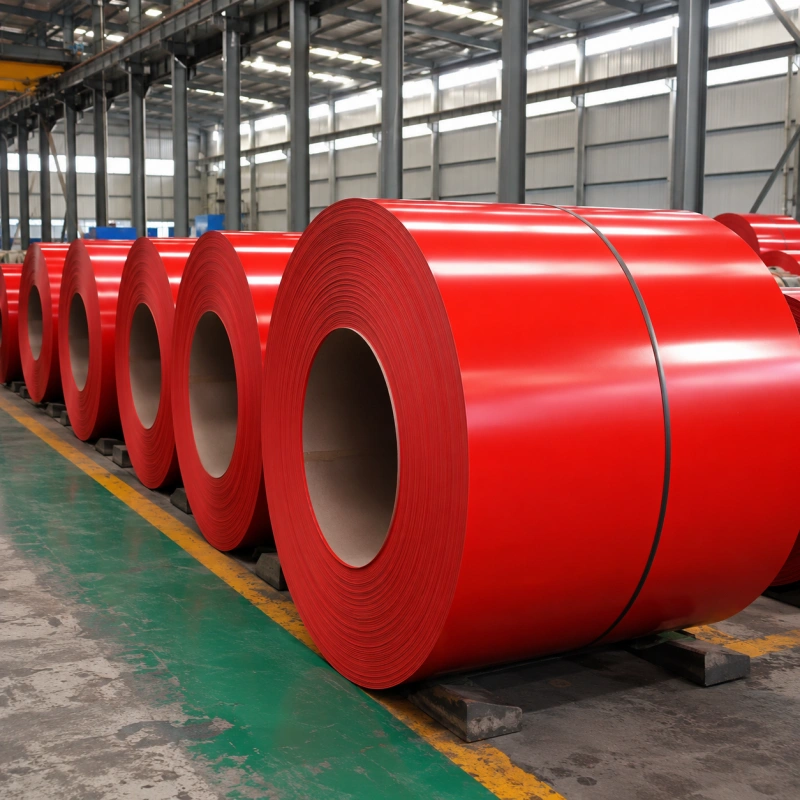
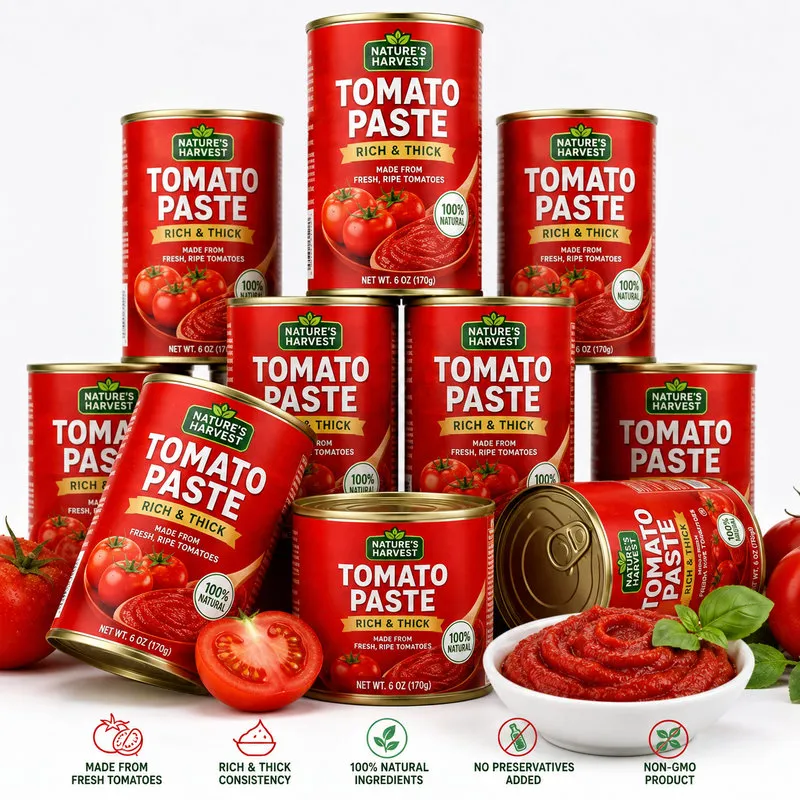
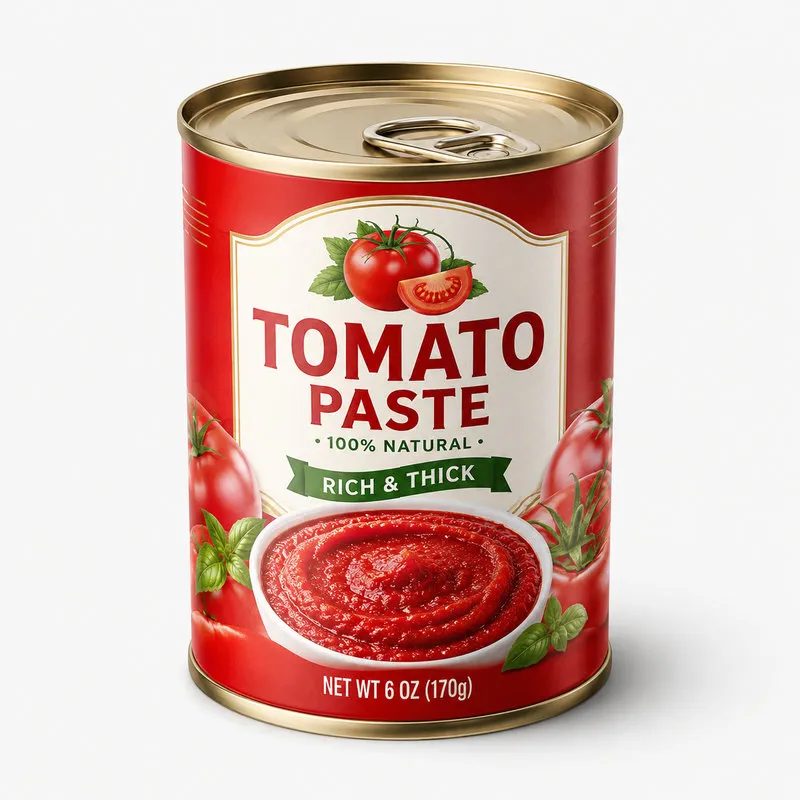
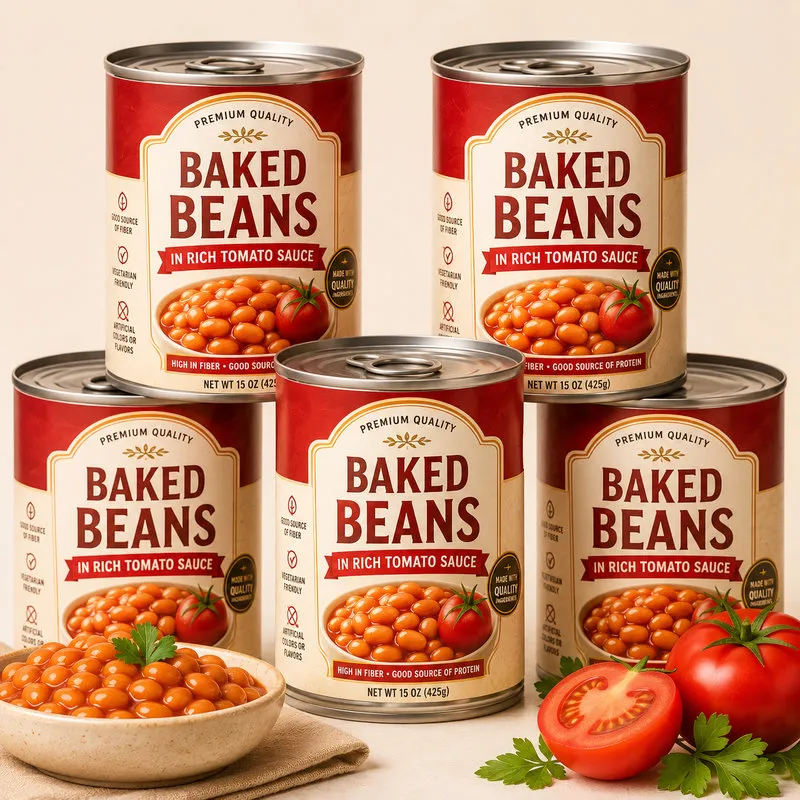
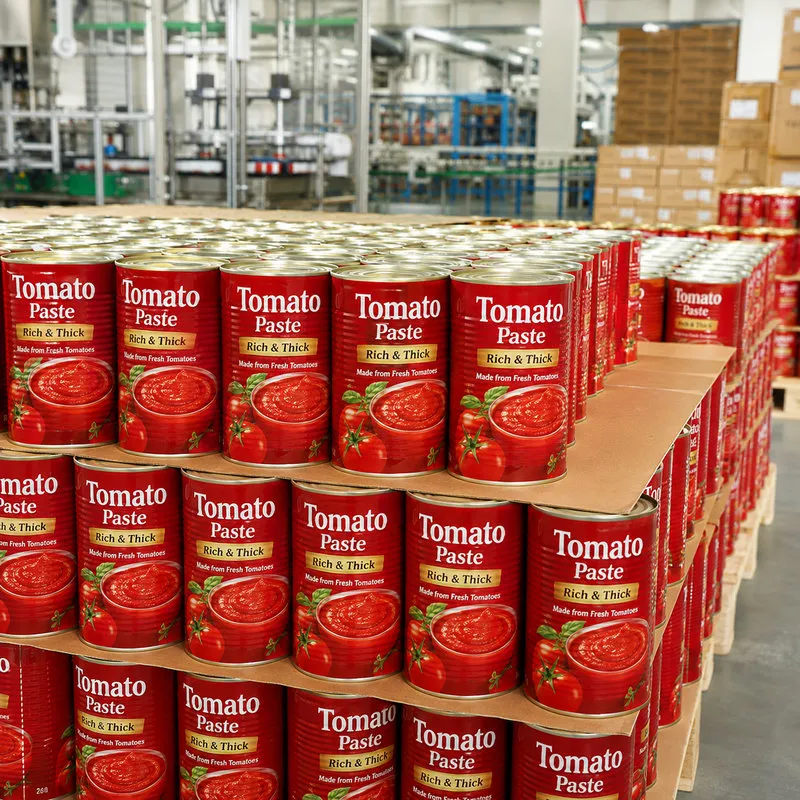
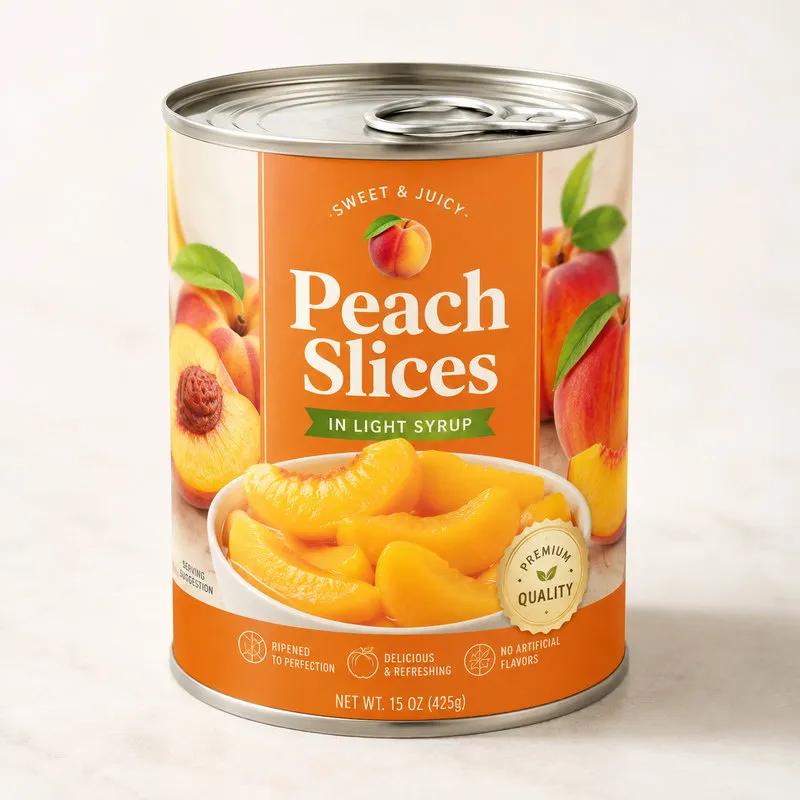
Food Grade Tinplate Cans – Metal packaging for tomato paste, seafood, fruit and canned foods.
Custom Printing & Branding – OEM logos, food graphics, colors and multilingual artwork supported.
EOE & Standard Ends – Easy-open lids, conventional ends and bottom ends available.
FDA Test Report Support – Tinplate test documentation against applicable 21 CFR 175.300 requirements available.
Complete Export Documents – COO, MTC, export license and shipping documentation available.
Tinplate food cans are rigid metal packaging containers manufactured from electrolytic tinplate and designed for the storage, processing, transportation and retail presentation of canned food products.
Common applications include tomato paste, sardines, tuna, luncheon meat, fruits, vegetables, beans, sweet corn, mushrooms, condensed milk, milk powder, coffee, sauces and other processed foods.
Henan GDD provides integrated tinplate packaging support covering raw tinplate selection, internal lacquering, external printing, can-body forming, resistance welding, flanging, bottom-end seaming and compatible easy-open-end supply.
OEM printing, customized can dimensions, different internal coatings and multiple closure systems can be arranged according to the customer's filling product, production line and destination market.
| Item | Specification |
|---|---|
| Product Name | Food Grade Tinplate Can / Printed Metal Food Can |
| Can Structure | Three-piece Can, Drawn Can or Customized Metal Container |
| Base Material | Electrolytic Tinplate / ETP / SPTE |
| Tinplate Thickness | Approximately 0.13 – 0.50 mm or Customized According to Can Design |
| Tinplate Temper | T1, T2, T2.5, T3, T4, T5, DR8, DR9 or Customized |
| Tin Coating | 2.8/2.8, 5.6/5.6 g/m², Differential Coating or Customized |
| Can Shape | Round, Oval, Rectangular, Square or Customized |
| Can Diameter | Customized According to Filling Volume and Customer Drawing |
| Can Height | Customized According to Capacity and Packaging Design |
| Capacity | Customized Small, Medium and Large Food Can Capacities |
| Top End | EOE Easy Open End, Ring-pull End, Full Aperture End or Conventional End |
| Bottom End | Tinplate Bottom End / Pre-seamed Bottom Available |
| Internal Coating | Clear Lacquer, Gold Lacquer, Food-contact Coating or Customized According to Filling Product |
| External Surface | Plain Tinplate, White Base Coat, Full-color Printed, Gloss Varnish or Matte Varnish |
| Printing | CMYK, Spot Colors, OEM Logo, Food Graphics, Multilingual Artwork and Customized Design |
| Can Body Joining | Resistance-welded Side Seam for Three-piece Cans |
| Seaming | Double Seam According to Can and End Specification |
| FDA Test Support | Tinplate Test Report Against Applicable FDA 21 CFR 175.300 Requirements Available According to Report Scope |
| Inspection | MTC, Dimension Check, Printing Inspection, Coating Inspection, Seam Inspection and Third-party Inspection Support |
| Applications | Tomato Paste, Sardines, Tuna, Fruits, Vegetables, Beans, Milk Powder, Coffee and Other Canned Foods |
| Available Documents | MTC, FDA-related Test Report Where Applicable, Certificate of Origin, Export License Where Required, Commercial Invoice, Packing List, Bill of Lading and Customs Documents |
| Packing | Cartons, Pallets, Protective Wrapping or Customized Export Packing |
| Trade Terms | EXW, FOB, CFR, CIF |
Final can dimensions, tinplate thickness, temper, coating system and closure specification should be confirmed according to the filling product, can-making equipment, sterilization process, destination market and customer-approved drawing.
A tinplate food can is a metal container produced from low-carbon steel coated with a controlled layer of tin. The steel substrate provides structural strength, while the tinplate surface provides a suitable base for protective lacquers and high-quality metal printing.
Food cans are engineered to withstand manufacturing, filling, closing, thermal processing, transportation and storage while protecting the packaged food from external contamination and mechanical damage.
Tinplate cans can be manufactured in multiple diameters, heights and shapes and can be combined with conventional ends or easy-open-end systems.
Three-piece cans consist of a cylindrical can body, a bottom end and a top end.
A rectangular tinplate blank is rolled into a cylinder and joined along the side seam using resistance welding. The edges of the body are then flanged so that the ends can be attached through double seaming.
The bottom can be pre-seamed before delivery to the food-processing factory, allowing the customer to fill the can and close it with a compatible EOE or conventional top end.
Three-piece construction provides excellent flexibility for different can heights, printing designs and production volumes.
Easy open ends allow consumers to open a canned product without a separate can opener.
Common designs include ring-pull full-aperture ends and other scored easy-open systems. The appropriate EOE diameter should match the can body and seaming equipment.
Henan GDD can support food can projects requiring both tinplate can bodies and compatible easy-open ends.
Tomato paste is widely packaged in three-piece tinplate cans because metal packaging provides strong mechanical protection and can withstand commercial filling and thermal-processing operations when the package is properly specified.
The external can surface can be printed with tomato graphics, customer logos, ingredients, nutrition information, net weight and multilingual labeling.
Because tomato products are acidic, the internal coating system should be selected according to the specific filling formulation, processing temperature and required shelf life.
Seafood packaging is another major application for tinplate food cans. Round, oval and rectangular configurations can be produced according to the seafood product and local market.
Custom printing can include realistic seafood images, brand logos, nutritional information, ingredients and destination-market labeling.
Internal coating should be selected according to whether the product contains oil, brine, tomato sauce or other ingredients.
Tinplate cans can be used for peaches, pineapples, mixed fruit, beans, sweet corn, mushrooms, peas and other preserved food products.
Can dimensions can be customized according to the target retail or catering capacity, while printing provides a large surface area for product images and branding.
Material and internal coating selection should consider acidity, salt content, processing conditions and expected storage period.
Large-volume tinplate containers can be used for milk powder, coffee, tea, biscuits, confectionery and other dry-food products.
These applications often emphasize premium printing quality, moisture protection, convenient reclosure and high-quality shelf presentation.
Different end systems and lid structures can be discussed according to the finished package design.
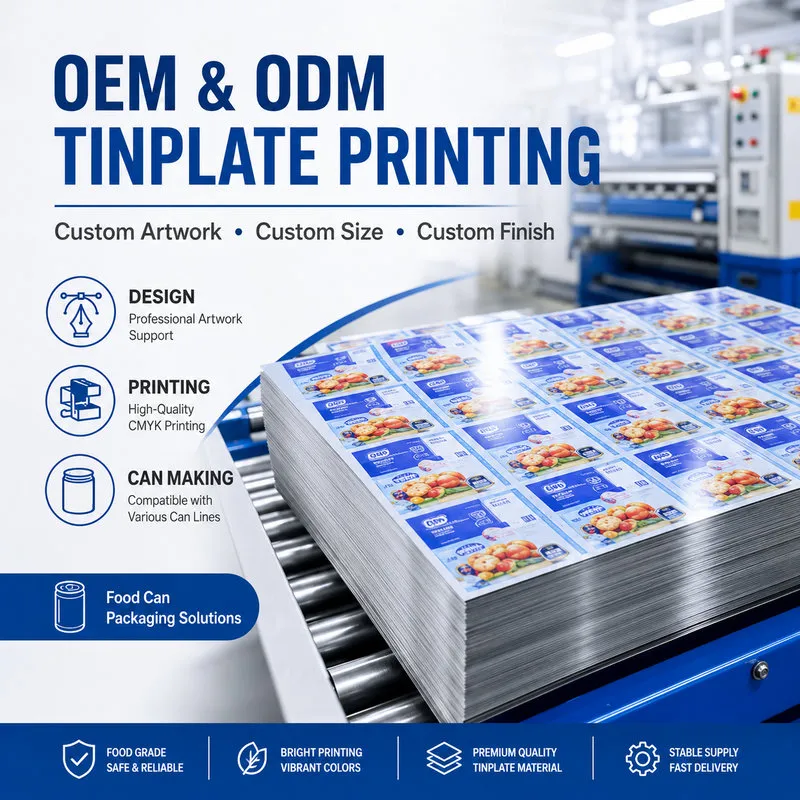
Henan GDD supports OEM printing based on customer logos, brand colors, food photography, ingredients, nutritional panels, barcodes and multilingual packaging information.
Offset lithographic metal printing can reproduce detailed food images and complex brand designs. CMYK printing can be combined with spot colors for specific brand requirements.
Gloss, matte and metallic visual effects can also be discussed according to the packaging design.
Customers can provide an existing food-can artwork file or develop a new packaging design based on the required can dimensions.
Before printing, artwork positioning, color separation, body circumference, can height, welding allowance and cutting layout should be confirmed.
After approval, the tinplate sheets are coated, printed, varnished and converted into can-body blanks before forming and welding.
This integrated production route allows the printed graphics to match the finished can dimensions accurately.
The internal lacquer forms a protective coating between the tinplate surface and the packaged food.
Different foods can require different coating systems because acidity, sulfur compounds, salt, oil and processing temperature affect packaging conditions.
Clear, gold and other food-contact coating systems can be discussed according to the filling product and customer specification.
Customers should provide details of the packaged food, ingredients, sterilization process and expected shelf life before confirming the coating system.
Henan GDD can provide relevant tinplate food-contact test documentation according to the applicable product and purchase order.
Tinplate material with a test report against applicable FDA 21 CFR 175.300 requirements can be provided according to the scope of the corresponding inspection report.
For accurate compliance communication, the document should be treated as a test or inspection report against the referenced requirements rather than described as an FDA-issued product certification.
Customers should provide the destination country and specific regulatory requirements before ordering so that available documentation can be reviewed against the intended application.
The appropriate tinplate specification depends on the finished can diameter, height, wall strength, forming process and food product.
Thickness, temper and tin coating should be selected together rather than independently because each parameter affects the mechanical performance of the finished package.
Henan GDD can support tinplate selection according to existing can specifications or customer drawings.
Tinplate temper controls hardness, stiffness and forming behavior.
Softer tempers provide greater formability, while harder tempers and double-reduced materials can provide higher strength for lightweight packaging structures.
Common temper options include T2, T3, T4, T5 and selected DR grades depending on the can-making process.
Final temper should be confirmed according to the finished can geometry and production equipment.
Tin coating weight can be selected according to corrosion protection, internal lacquer, external printing and customer requirements.
Equal coating provides similar nominal tin coating on both sides, while differential coating uses different coating weights on the two surfaces.
Differential coating can be considered when the inside and outside surfaces have different functional requirements.
Three-piece tinplate cans are commonly manufactured using electrical resistance welding along the longitudinal side seam.
The welding area must be properly prepared and free from printing or coating that would interfere with the welding process.
Weld width, overlap and production parameters should be matched to the tinplate thickness and can-making equipment.
Double seaming mechanically joins the can body flange and can end to create the finished container closure.
Correct seam geometry is important for package integrity. Seam thickness, overlap, tightness and other parameters should be controlled by the canning factory according to the can and end specifications.
Compatible can-body dimensions and end diameters should therefore be confirmed before bulk production.
Many canned-food products undergo thermal processing after filling and closing.
Can material, internal coating, end design and seam configuration should be suitable for the customer's filling and sterilization process.
Customers should provide the expected processing temperature, product characteristics and filling method when developing a new package.
Steel construction provides rigidity and helps protect food against crushing, impact and handling damage during transportation and storage.
Tinplate supports high-quality lithographic printing for attractive food images, branding and multilingual product information.
Can diameter, height and capacity can be adapted to retail, catering and industrial food-packaging requirements.
Food cans can be combined with ring-pull and easy-open-end systems for convenient consumer opening.
Standardized metal can components can support high-speed filling, closing and packaging production lines.
Raw tinplate, printed sheets, can bodies, ends and related processing can be coordinated through one supply chain.
OEM projects can be produced according to the customer's existing can drawings, dimensions, printing artwork and technical specifications.
For new packaging projects, ODM support can include can-size selection, printed-layout coordination and matching of compatible can ends.
Customers should confirm that all trademarks, logos and graphic content supplied for printing are authorized for use.
Raw-material inspection can include tinplate thickness, temper, dimensions, tin coating and surface condition.
Printed-can inspection can include artwork position, color consistency, surface appearance, scratches and varnish condition.
Finished-can inspection can include diameter, height, flange dimensions, weld condition, surface quality and compatibility with the specified end.
MTC, inspection records, product photographs, packing photographs and loading photographs can be supplied according to order requirements.
Henan GDD can provide the technical, commercial and customs documents required for compliant international shipment according to the destination market and agreed contract terms.
Available documents can include the Mill Test Certificate, relevant food-contact test reports where applicable, Certificate of Origin, export license where required, commercial invoice, packing list, bill of lading and customs declaration documents.
Product photographs, inspection records, packing photographs, loading photographs and agreed third-party inspection reports can also be arranged.
Destination-specific regulatory certificates, legalization, chamber endorsement and customs documentation should be confirmed before order placement.
Henan GDD supplies tinplate packaging products to food manufacturers, canning factories, seafood processors, tomato paste producers, metal packaging companies and international distributors.
We support raw tinplate, printed tinplate sheets, finished can bodies, bottom ends and easy-open-end systems for complete food-can projects.
Customized dimensions, printing, internal lacquer, EOE options and export packing can be arranged according to customer requirements.
Relevant test documentation, MTC, Certificate of Origin, export license where required and complete commercial and shipping documents can be provided for compliant export.
From tinplate selection and artwork preparation to printing, can forming, inspection, packing and international shipment, our team provides one-stop support for metal food packaging.
Empty tinplate cans are lightweight but require careful packing to prevent deformation, dents, scratches and contamination during transportation.
Cans can be packed in cartons, protective bags, pallets or customized transport packaging according to can dimensions and shipment method.
Can bodies and ends can also be packed separately when required by the customer's filling and seaming process.
Shipment can be arranged under EXW, FOB, CFR or CIF terms according to customer requirements.
Tinplate cans can be designed for tomato paste, sardines, tuna, fruit, vegetables, beans, sweet corn, mushrooms, condensed milk, milk powder, coffee and many other processed food products.
Yes. Can dimensions can be customized according to capacity, filling equipment and available tooling.
Yes. OEM printing can include customer logos, food images, ingredients, nutrition information, barcodes and multilingual packaging designs.
Yes. Compatible easy-open ends, ring-pull ends and conventional can ends can be supplied according to the can diameter and project requirements.
Yes. Three-piece cans can be supplied with a pre-seamed bottom so the customer can fill the product and close the top end on the canning line.
Yes. Internal coating systems can be selected according to the packaged product, processing conditions and customer specification.
Relevant tinplate test documentation against applicable FDA 21 CFR 175.300 requirements can be provided according to the corresponding report scope and order specification.
The document should be described as a test or inspection report against the referenced FDA regulatory requirements rather than as an FDA-issued product certification.
Yes. MTC, Certificate of Origin, export license where required, commercial invoice, packing list, bill of lading and other agreed export documents can be provided.
Please provide the food product, can diameter, can height or capacity, can structure, internal coating, top-end type, printing artwork, quantity, destination port and required documents.
Yes. Customers can provide the packaged food, target capacity and market requirements, and our team can help coordinate tinplate specification, can dimensions, printing and compatible closure options.
Yes. Third-party inspection can be arranged according to the inspection scope confirmed in the purchase contract.
Looking for custom tinplate cans for tomato paste, sardines, tuna, fruit, vegetables, beans, milk powder or other canned foods?
Send Henan GDD your food product, required capacity, can diameter and height, internal coating, EOE or standard-end requirement, printing artwork, order quantity, destination port and required compliance documents.
Our team can support your project from tinplate material and printing through can-body production, compatible ends, inspection, packing and compliant international shipment.