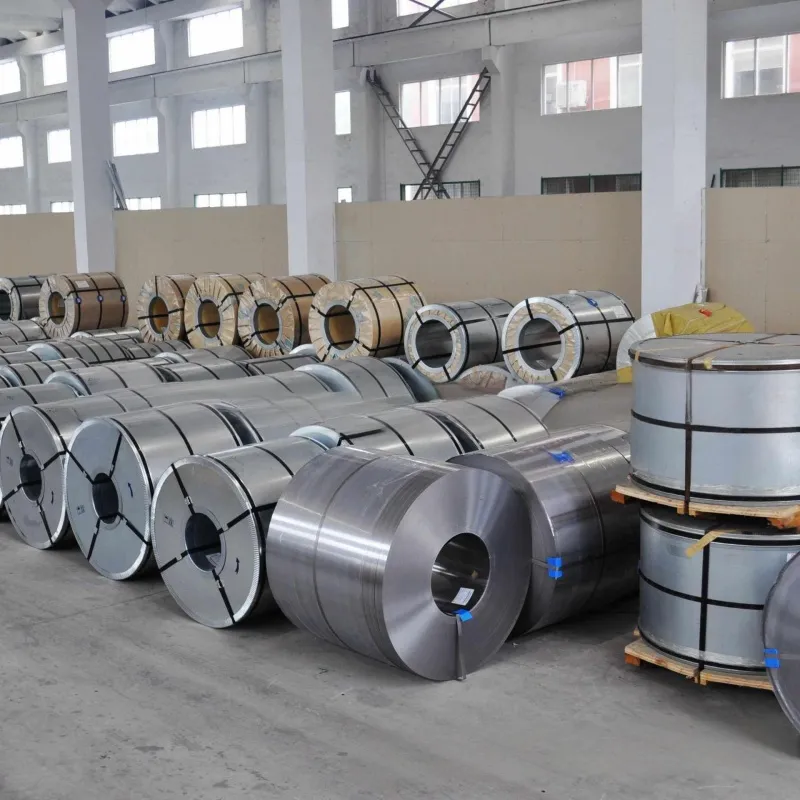
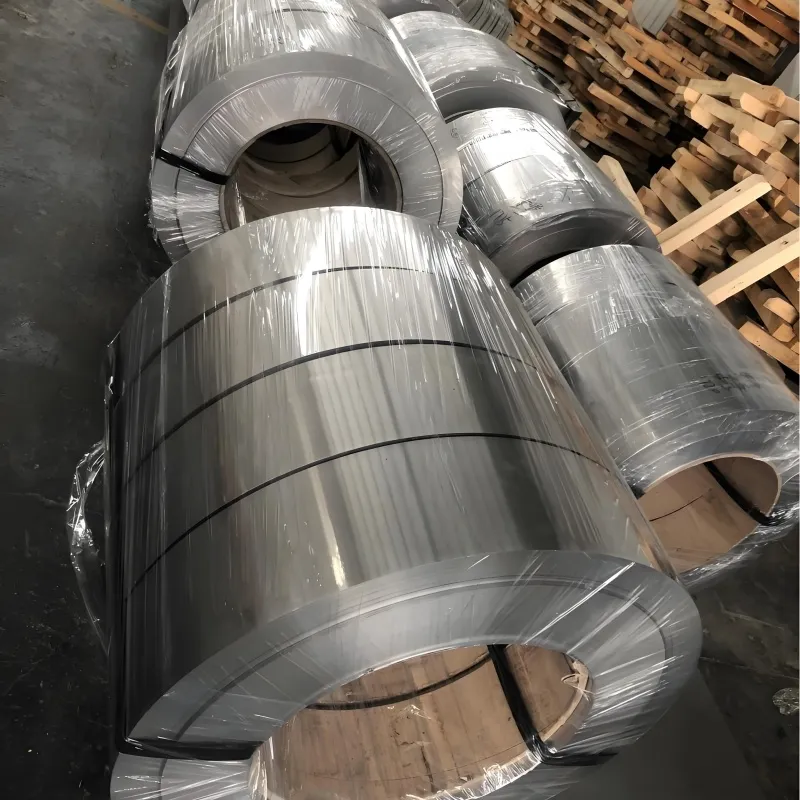
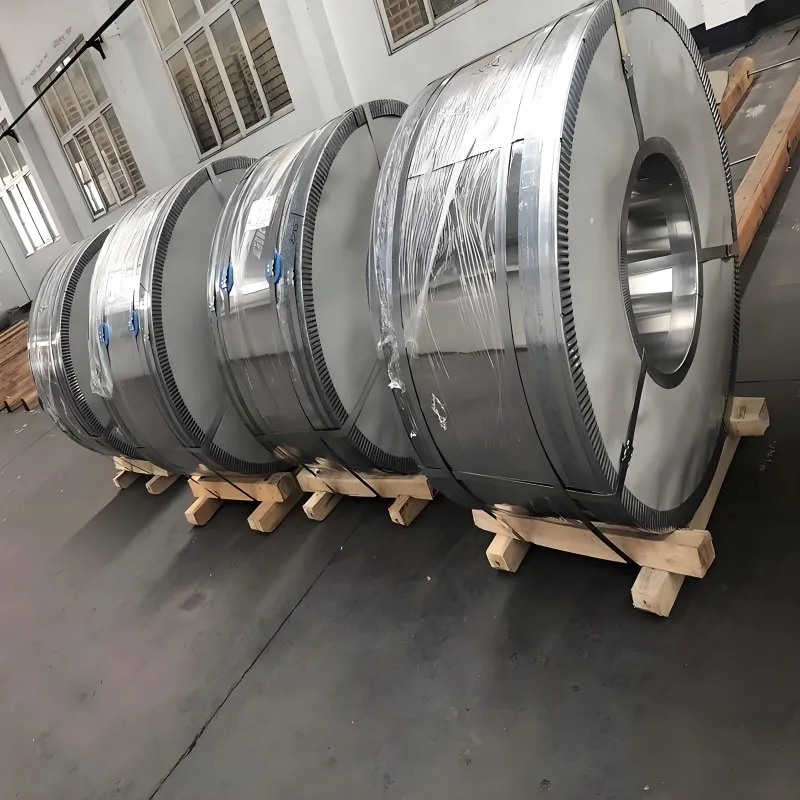
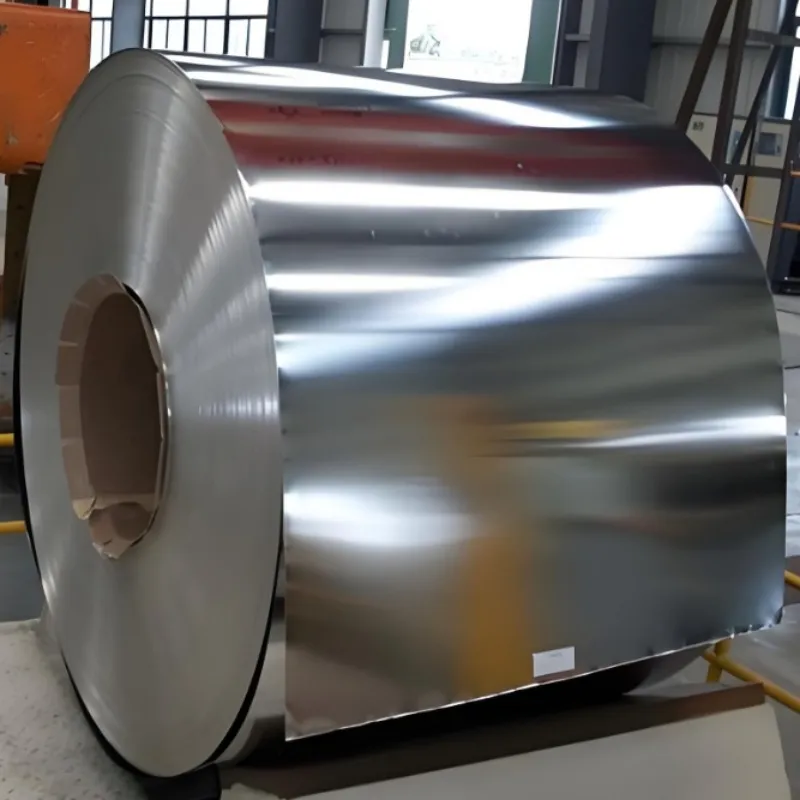
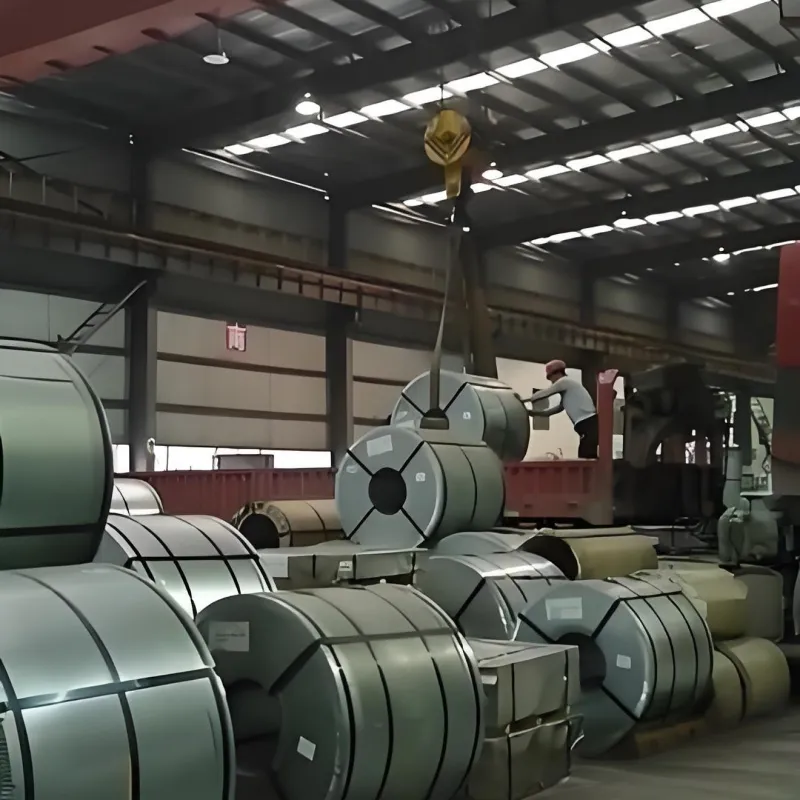
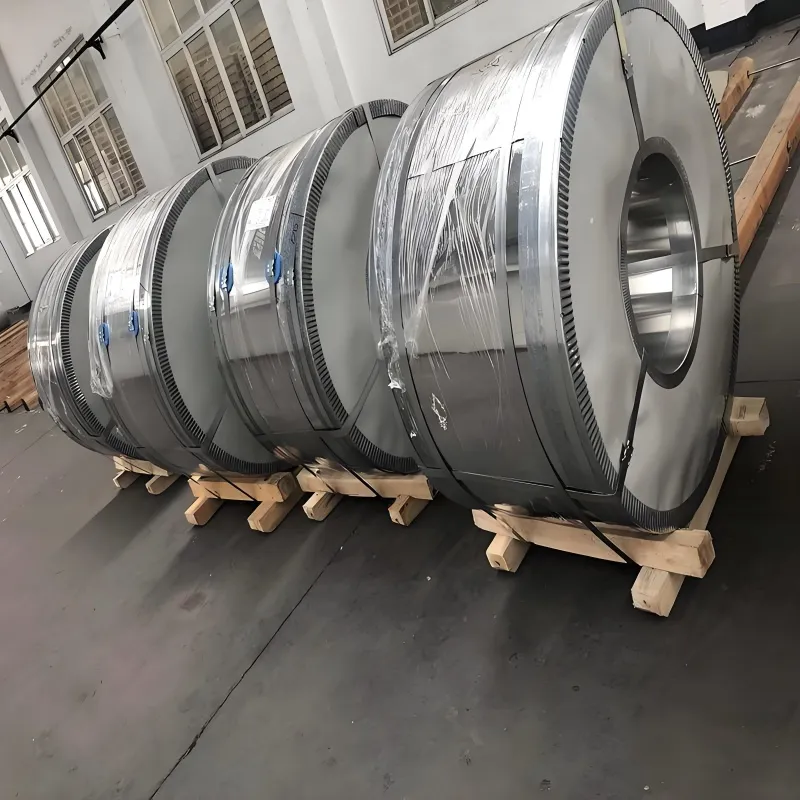
SPTE Tinplate Coil – Electrolytic tin-coated steel for can making and metal packaging.
SR & DR Tempers – T1–T5 and DR grades available for different forming requirements.
Custom Tin Coating – Equal and differential coating specifications can be supplied.
Packaging Processing Ready – Suitable for slitting, printing, lacquering, stamping and welding.
Complete Export Documents – MTC, COO, relevant test reports and shipping documents available.
SPTE Tinplate Coil is a cold-rolled low-carbon steel product coated with controlled quantities of metallic tin through an electrolytic tinning process.
The steel substrate provides mechanical strength, stiffness and forming performance, while the electrolytic tin coating creates a clean metallic surface suitable for lacquering, printing, stamping, forming and electrical resistance welding.
Henan GDD supplies SPTE Tinplate Coil to food can manufacturers, Easy Open End producers, metal printing factories, closure manufacturers and packaging distributors. Thickness, width, temper, tin coating, surface finish, annealing route, coil weight and processing requirements can be customized according to the customer's production line.
| Item | Specification |
|---|---|
| Product Name | SPTE Tinplate Coil / Electrolytic Tinplate Coil |
| Base Material | Cold Rolled Low-carbon Steel |
| Coating Type | Electrolytically Deposited Tin |
| Applicable Standards | JIS G3303, ASTM A623/A624, EN 10202, GB/T 2520 or Customer Specification |
| Thickness | 0.13 mm – 0.50 mm or Customized |
| Width | 600 mm – 1250 mm or Customized |
| Single-reduced Temper | T1, T2, T2.5, T3, T4, T5 or Customized |
| Double-reduced Temper | DR7, DR8, DR8.5, DR9 or Customized |
| Equal Tin Coating | 1.1/1.1, 2.8/2.8, 5.6/5.6, 8.4/8.4, 11.2/11.2 g/m² or Customized |
| Differential Tin Coating | 2.8/5.6, 2.8/8.4, 5.6/8.4 g/m² or Customized |
| Surface Finish | Bright, Stone, Fine Stone, Silver, Matte or Customized |
| Annealing | BA Batch Annealed / CA Continuous Annealed |
| Surface Treatment | Passivated, DOS Oiled, Lightly Oiled or Customized |
| Coil ID | 508 mm / 610 mm or Customized |
| Coil Weight | Approximately 3 – 10 MT or Customized |
| Edge Condition | Mill Edge / Slit Edge |
| Processing Service | Slitting, Cut-to-length, Scroll Cutting, Printing, Lacquering and Customized Packing |
| FDA-related Test Support | Relevant Third-party Test Report Against Applicable FDA 21 CFR 175.300 Requirements Available According to Product and Report Scope |
| Inspection | MTC, Dimension Inspection, Tin Coating Verification, Surface Inspection, Mechanical Property Check and Third-party Inspection |
| Applications | Food Cans, Can Bodies, Easy Open Ends, Conventional Ends, Closures, Printed Tins and Metal Packaging |
| Available Documents | MTC, Relevant Test Reports, Certificate of Origin, Export License Where Required, Commercial Invoice, Packing List, Bill of Lading and Customs Documents |
| Packing | Rust-resistant Paper, Steel Cover, Edge Protection, Steel Straps, Wooden Supports and Seaworthy Export Packing |
| Trade Terms | EXW, FOB, CFR, CIF |
Available dimensional ranges, tin coating specifications and mechanical properties depend on the selected standard, temper, production route and mill capability. Final specifications should be confirmed through the purchase order and Mill Test Certificate.
SPTE is a commonly used designation for electrolytic tinplate steel. It consists of a cold-rolled low-carbon steel substrate coated with metallic tin through an electrolytic process.
The product combines the mechanical properties of steel with the functional surface characteristics required by modern metal-packaging production.
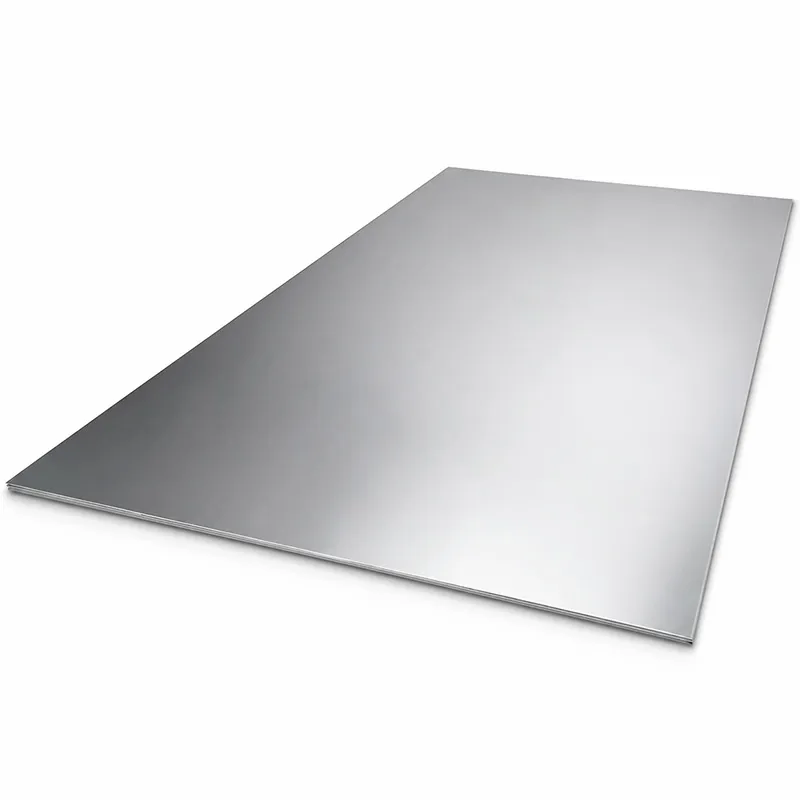
SPTE Tinplate Coil can be supplied directly as master coil or processed into slit coil and flat sheet according to downstream production requirements.
ETP means Electrolytic Tinplate, while SPTE is a commonly used material designation for electrolytic tinplate.
In international steel and packaging trade, both terms are frequently used when discussing electrolytically tin-coated steel for cans, lids and metal packaging.
Buyers should nevertheless specify the applicable standard, thickness, temper, coating weight and surface finish rather than relying only on the product abbreviation.
The finished SPTE surface consists of several functional layers rather than simply a sheet of steel covered with tin.
The low-carbon steel substrate provides strength and formability. An alloy layer develops between the substrate and metallic tin, while the electrolytically deposited tin forms the principal metallic surface.
Final surface treatment and controlled oiling support handling, storage and downstream processing.
Single-reduced tinplate is produced through cold reduction followed by annealing and temper rolling.
Common temper grades include T1, T2, T2.5, T3, T4 and T5.
These tempers provide different combinations of hardness, stiffness and forming performance for can bodies, closures and general packaging components.
Double-reduced tinplate undergoes an additional cold-reduction stage after annealing.
This process allows relatively thin material to achieve higher strength and stiffness, making DR tinplate useful for lightweight packaging designs.
Common specifications include DR7, DR8, DR8.5 and DR9.
DR material has different forming characteristics from SR tinplate, so forming direction, tooling and production settings should be considered carefully.
Temper selection affects hardness, stiffness, forming behavior and finished-container performance.
Material that is too soft may not provide sufficient panel strength, while excessively hard material can create difficulties during stamping, flanging or forming.
Buyers should provide the finished application, material thickness, forming process and existing technical specification when possible.
Equal tin coating means approximately the same nominal tin coating weight is applied to both surfaces of the SPTE coil.
Typical specifications include 2.8/2.8 g/m² and 5.6/5.6 g/m², with other coating levels available according to customer requirements.
Equal coating is commonly selected where both sides have similar functional requirements.
Differential tinplate uses different nominal tin coating weights on the two surfaces.
This allows the side requiring a heavier coating to receive additional tin while optimizing the coating level on the opposite side.
The heavy-coated and light-coated sides should be correctly identified during lacquering, printing and can-making.
Bright SPTE provides a smooth and reflective metallic appearance suitable for printed packaging and decorative cans.
Stone finish provides a controlled textured surface widely used for general can-making applications.
Fine Stone provides a finer surface texture for packaging requiring a more uniform appearance.
Silver-type surfaces provide a distinctive metallic appearance suitable for selected printed and decorative packaging.
Matte finish reduces surface reflection and can provide a specialized visual effect for metal packaging.
BA means Batch Annealed or Box Annealed, while CA means Continuous Annealed.
These terms describe the annealing process used during production and should not be confused with Bright surface finish.
The appropriate annealing route depends on the required mechanical properties, temper and downstream forming process.
Three-piece food-can bodies are one of the most important applications for SPTE Tinplate.
The coil can be converted into sheets and printed body blanks before being rolled into cylinders and joined using electrical resistance welding.
Material thickness, temper and tin coating should be matched with the can diameter, height and required body strength.
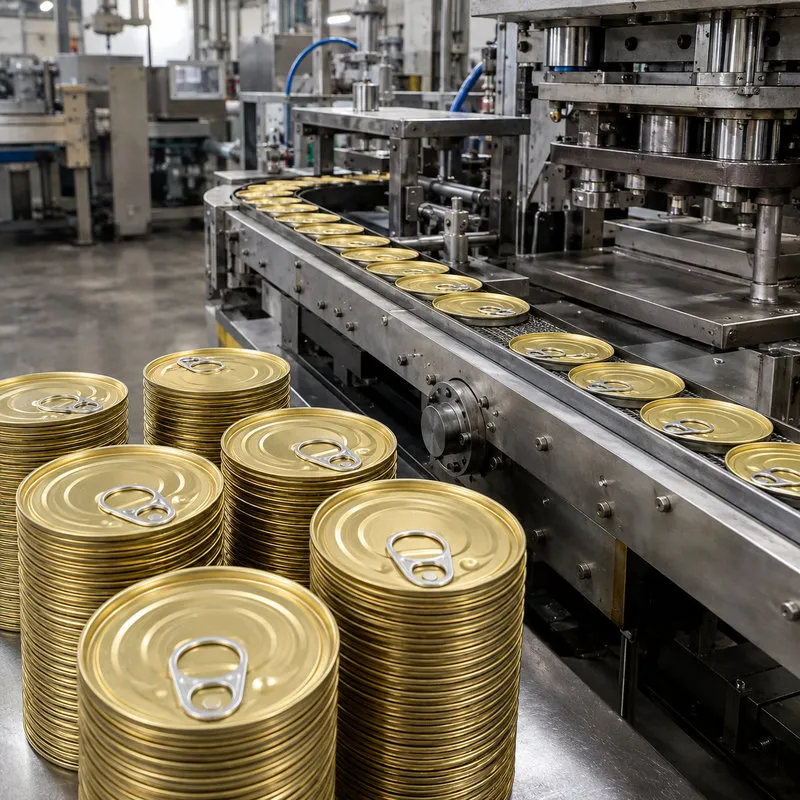
Suitable SPTE grades can be used for selected Easy Open End and conventional can-end applications.
End manufacturing requires reliable stamping performance, dimensional stability and sufficient mechanical strength.
The final material specification should be selected according to end diameter, opening design, forming process and seaming requirements.
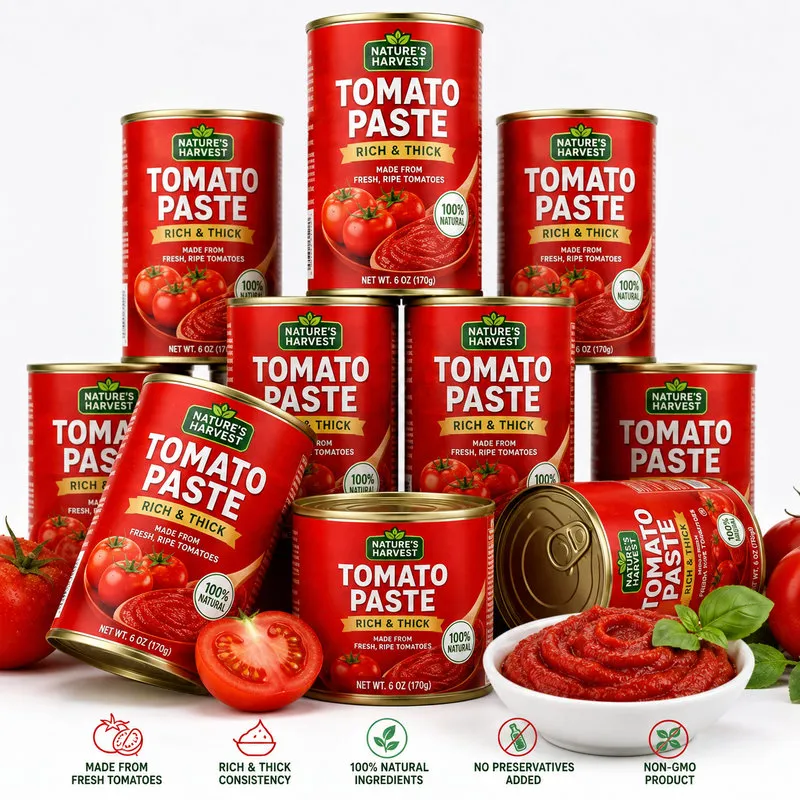
Tomato paste packaging commonly uses three-piece tinplate cans with lithographically printed body panels.
Because tomato products are acidic, suitable internal coating should be selected according to the filling formulation, sterilization process and expected shelf life.
The tinplate specification and internal coating system should therefore be evaluated as part of the complete packaging structure.
SPTE can be used for seafood can bodies and selected end components according to package design.
Internal lacquer requirements can vary depending on whether sardines or tuna are packed in oil, brine, tomato sauce or other media.
Customers should provide product and processing information when developing a new seafood packaging specification.
Fruit, vegetable, bean, corn and mushroom cans can use suitable SPTE specifications for can bodies and closures.
Material thickness and temper should be matched with the can dimensions and mechanical requirements.
Internal coating selection should take into account the composition and processing conditions of the packaged product.
Electrolytic tinplate provides a suitable metallic substrate for high-quality offset lithographic printing.
Tinplate can be coated with a white base when opaque colors are required or left partially metallic to create silver visual effects.
CMYK printing, spot colors, customer logos, food images and multilingual packaging information can be produced after the coil is converted into sheets.
Tinplate food packaging commonly uses a suitable internal coating between the metal surface and packaged product.
Lacquer selection depends on factors including food acidity, sulfur compounds, salt, oil content, processing temperature and expected storage conditions.
Tomato products, seafood, fruit and other foods may require different coating systems even when manufactured from the same general SPTE material.
Henan GDD can provide relevant third-party food-contact test documentation for applicable tinplate products according to the corresponding product and report scope.
Test documentation against applicable FDA 21 CFR 175.300 requirements can be provided where the supplied product corresponds to the material covered by the relevant inspection report.
For accurate compliance communication, the documentation should be described as a test or inspection report against the referenced requirements rather than as an FDA-issued product certification.
Customers should provide destination-market and specific compliance requirements before order confirmation so that available documentation can be reviewed against the intended application.
Master coils can be slit into customized widths according to printing, stamping and can-making equipment.
Slitting quality is important because excessive burrs or dimensional deviation may affect downstream forming and high-speed production.
Cut-to-length processing can also convert SPTE coils into flat sheets according to can-body layouts, lid-stamping arrangements and metal-printing requirements.
Before shipment, SPTE Tinplate Coil can be inspected for thickness, width, temper-related properties, tin coating, surface finish, edge condition, coil weight and packing condition.
Coil identification and mill documentation support traceability between the delivered material and production batch.
MTC, dimensional inspection records, product photographs, packing photographs and loading photographs can be supplied according to order requirements.
Independent third-party inspection can also be arranged according to the agreed purchase contract.
The Mill Test Certificate is an important document for confirming and tracing the supplied SPTE material.
Depending on the mill and specification, the MTC can include product designation, dimensions, temper or mechanical-property information, tin coating, production identification and applicable inspection results.
Customers requiring specific MTC information should state the requirement before order confirmation.
Henan GDD can provide technical, commercial and customs documentation according to destination-country and contract requirements.
Available documents can include MTC, relevant third-party test reports, Certificate of Origin, export license where required, commercial invoice, packing list, bill of lading and customs declaration documents.
Inspection records, packing photographs and container-loading photographs can also be provided according to customer requirements.
Destination-specific legalization, chamber endorsement and additional customs documentation should be confirmed before shipment.
SPTE Tinplate Coil requires reliable protection against moisture, surface scratches, coil-edge damage and movement during transportation.
Export packing can include rust-resistant or waterproof wrapping, protective steel covers, inner and outer edge protectors, reinforced steel straps and supporting skids.
Each coil can be identified with specification, dimensions, coil number, net weight, gross weight and customer marks as required.
Loading arrangements should also provide suitable reinforcement for heavy coils during inland and ocean transportation.
Henan GDD supplies SPTE Tinplate Coil to food-can factories, metal printers, Easy Open End manufacturers, closure manufacturers and international packaging distributors.
We support customized thickness, width, temper, tin coating, surface finish, coil weight, slitting and cut-to-length processing.
Our product range can also include ETP Tinplate Sheet, printed tinplate, tinplate food cans and compatible Easy Open Ends for integrated metal-packaging sourcing.
MTC, relevant test reports, Certificate of Origin, export license where required and complete commercial and shipping documentation can be provided according to contract requirements.
SPTE is a commonly used designation for electrolytic tinplate steel, consisting of cold-rolled low-carbon steel with an electrolytically deposited tin coating.
SPTE and ETP are both commonly used in international trade to refer to electrolytic tinplate. The exact applicable standard and material specification should still be confirmed when ordering.
A common thickness range is approximately 0.13 mm to 0.50 mm, subject to the required temper, width and production capability.
Common widths range from approximately 600 mm to 1250 mm. Customized slit widths can also be arranged.
Common single-reduced tempers include T1, T2, T2.5, T3, T4 and T5, while DR7, DR8, DR8.5 and DR9 are available for selected double-reduced applications.
SR means Single Reduced. It is cold reduced, annealed and temper rolled to achieve the required thickness and mechanical properties.
DR means Double Reduced. It receives an additional cold-reduction operation after annealing to obtain relatively high strength at a thin gauge.
Equal and differential coating specifications can be supplied, including commonly requested options such as 2.8/2.8 and 5.6/5.6 g/m².
Differential tin coating means the two surfaces receive different nominal tin coating weights.
Bright, Stone, Fine Stone, Silver and Matte surfaces can be discussed according to the required application.
BA means Batch Annealed or Box Annealed. It refers to the annealing route and does not mean Bright surface finish.
Yes. Properly specified SPTE Tinplate is widely used for three-piece food-can bodies and selected can-end applications.
Yes. Suitable grades can be used for selected EOE production according to the required diameter, temper, thickness and opening structure.
Yes. It can be converted to sheets, lacquered and lithographically printed with custom logos, food images, text and packaging graphics.
Relevant third-party test documentation against applicable FDA 21 CFR 175.300 requirements can be provided according to the corresponding product and report scope.
No. It should be described as a third-party test or inspection report against the referenced requirements rather than as an FDA-issued certification.
Yes. Mill Test Certificates can be provided according to the corresponding production batch and order requirements.
Yes. Certificate of Origin can be arranged according to destination and contract requirements.
Export license documentation can be provided where applicable, together with commercial invoice, packing list, bill of lading and other required customs documents.
Yes. Slitting can be arranged according to the required width, tolerance, coil weight and downstream production equipment.
Yes. Coil material can be cut to length and supplied as flat sheets according to printing, can-body or stamping dimensions.
Please provide thickness, width, temper, tin coating, surface finish, coil ID, coil weight, application, quantity, destination port and required documents.
Yes. Third-party inspection can be arranged according to the inspection scope confirmed in the purchase contract.
Looking for SPTE Tinplate Coil for food cans, Easy Open Ends, printed packaging, metal closures or general can-making?
Send Henan GDD your required thickness, width, temper, tin coating, surface finish, coil ID, coil weight, application, quantity, destination port and required documentation.
If you are replacing an existing tinplate supplier, you can also send your current MTC or technical specification for comparison and quotation.
Our team can support specification review, production, processing, inspection, export documentation, seaworthy packing and international shipment.