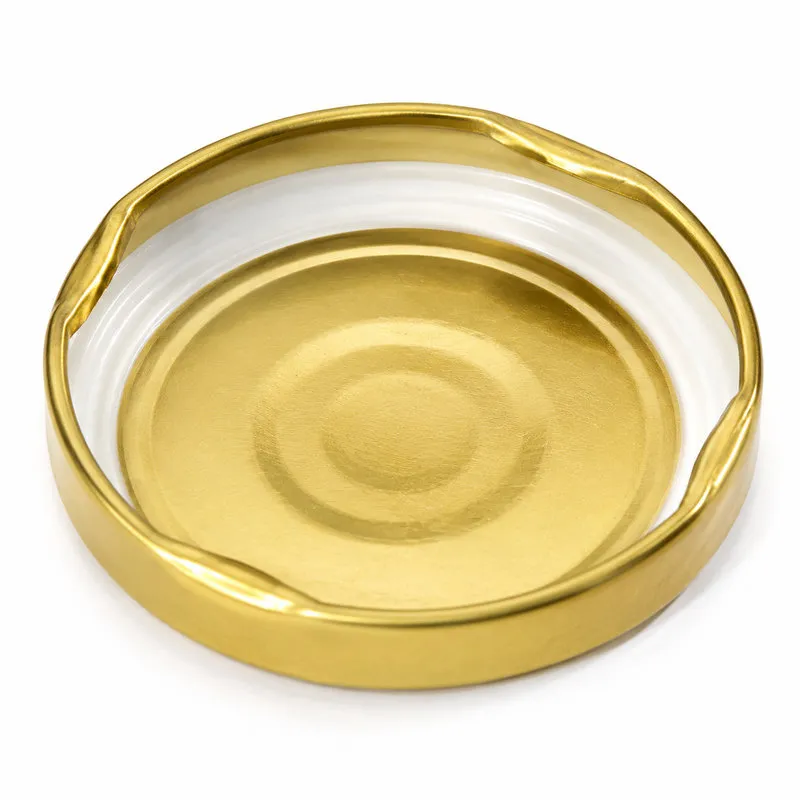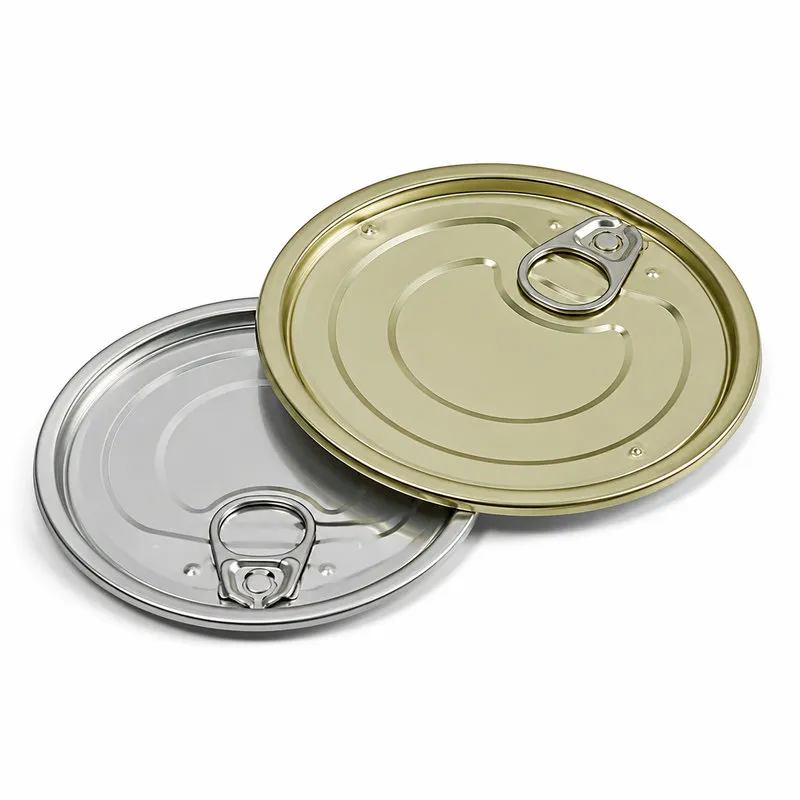
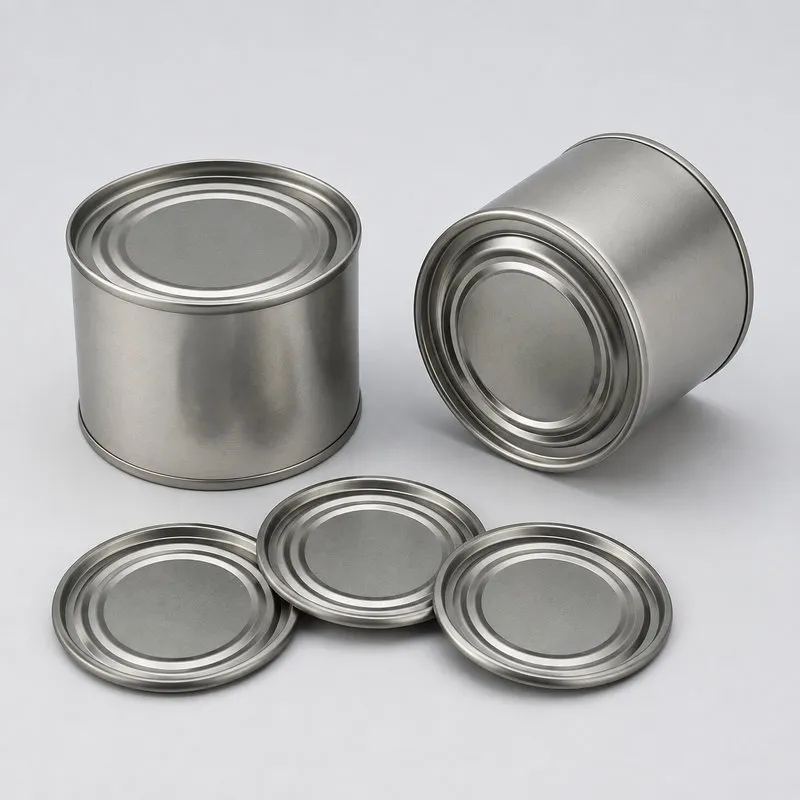
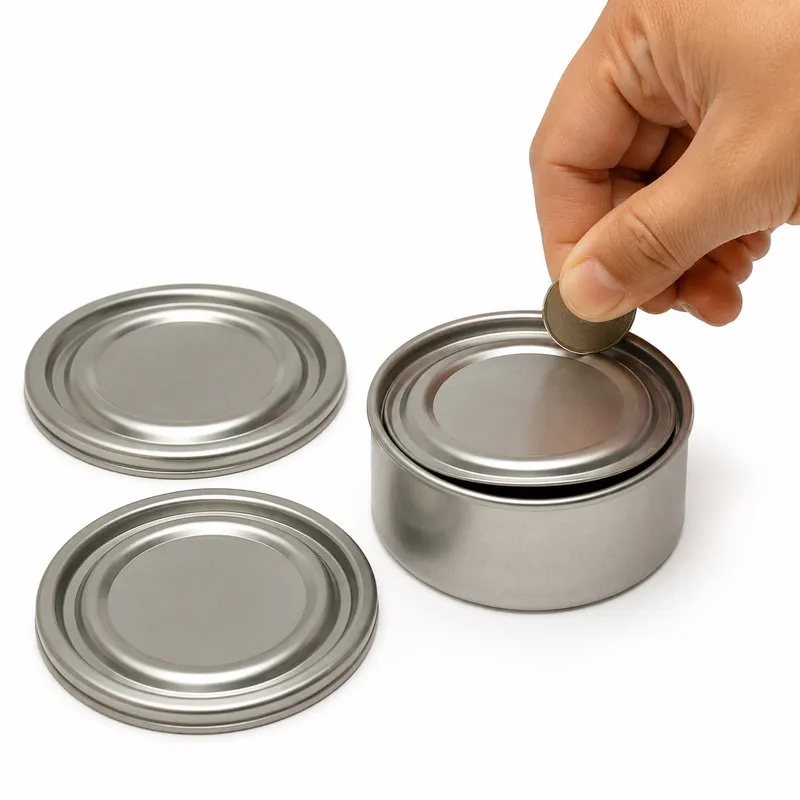
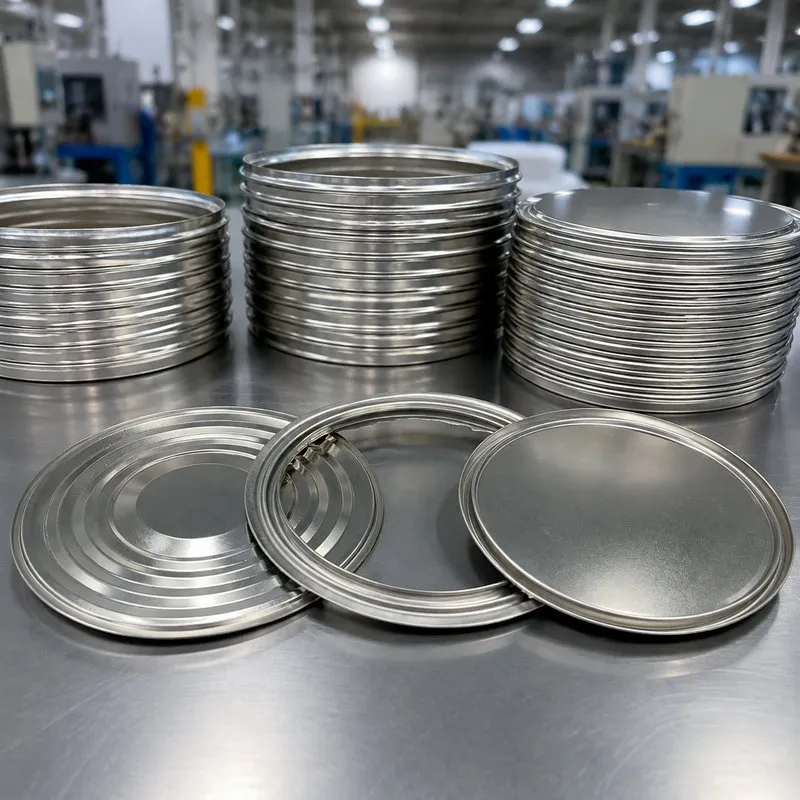
Tinplate Metal Lid – Formed steel covers for food cans, paint cans, pails and metal containers.
Custom Sizes Available – Diameter, thickness, profile and edge structure can be customized.
Multiple Lid Structures – Top lids, bottom ends, ring lids and friction-fit covers supported.
Custom Coating & Printing – Silver, gold, colored, lacquered and printed surfaces available.
Complete Export Documents – MTC, COO, relevant test reports and shipping documents available.
Tinplate Lid is a formed metal closure manufactured from electrolytic tinplate and used as the top cover, bottom end or closure component of different metal packaging containers.
Depending on the container structure, the lid can be manufactured as a flat can end, recessed bottom lid, ring lid, friction-fit cover, plug-style lid or other customized metal closure.
Henan GDD supplies Tinplate Lids for food cans, paint cans, chemical containers, metal pails, drums and general industrial packaging. Diameter, profile, material thickness, coating, color, printing and sealing structure can be customized according to customer drawings or existing samples.
| Item | Specification |
|---|---|
| Product Name | Tinplate Lid / Tinplate Can Cover / Metal Can End |
| Base Material | Electrolytic Tinplate / ETP / SPTE |
| Lid Type | Top Lid, Bottom Lid, Ring Lid, Friction-fit Lid, Plug Lid or Customized Structure |
| Shape | Round, Oval, Rectangular or Customized |
| Diameter | Common and Customized Diameters According to Container Opening; 108 mm and Other Sizes Available Subject to Tooling |
| Material Thickness | Customized According to Lid Diameter, Profile and Application |
| Tinplate Temper | T3, T4, T5, DR Grades or Customized According to Forming Requirements |
| Tin Coating | Equal or Differential Tin Coating According to Product Specification |
| Internal Coating | Clear Lacquer, Gold Lacquer, Food-contact Coating, Chemical-resistant Coating or Customized |
| External Finish | Natural Silver, Gold, White, Black, Colored, Printed or Customized |
| Printing | Logo, Text, Solid Color, Brand Artwork or Customized Printing |
| Sealing Option | Sealing Compound, Gasket, Friction-fit Structure or Customized Sealing System |
| Processing | Stamping, Forming, Curling, Beading, Lacquering, Printing and Customized Tooling |
| FDA-related Test Support | Relevant Third-party Test Report Against Applicable FDA 21 CFR 175.300 Requirements Available According to Product and Report Scope |
| Applications | Food Cans, Paint Cans, Metal Pails, Chemical Cans, Drums and General Metal Packaging |
| Inspection | Dimension Inspection, Surface Check, Coating Inspection, Fit Check and Third-party Inspection Support |
| Available Documents | MTC, Relevant Test Reports, Certificate of Origin, Export License Where Required, Commercial Invoice, Packing List, Bill of Lading and Customs Documents |
| Packing | Protective Bags, Cartons, Pallets or Customized Seaworthy Export Packing |
| Trade Terms | EXW, FOB, CFR, CIF |
Final lid diameter, profile, material thickness, edge structure, coating and sealing system should be confirmed against the customer's actual container opening, filling product and closing method before mass production.
A Tinplate Lid is a stamped and formed closure manufactured from electrolytic tin-coated steel. The steel substrate provides rigidity and mechanical strength, while the tinplate surface supports lacquering, printing and different protective treatments.
Unlike one standardized closure, Tinplate Lid is a broad product category. Different container structures require different lid profiles, dimensions, edge designs and sealing methods.
For this reason, a lid should normally be specified together with its matching container rather than purchased only according to its nominal diameter.
Tinplate can be formed into both top covers and bottom ends depending on the packaging structure.
Bottom lids are commonly manufactured with recessed or reinforced profiles to improve dimensional stability and allow proper connection with the metal can body.
Top lids can use friction-fit, plug, ring or other closure structures depending on whether the container is designed for food, paint, chemicals or industrial materials.
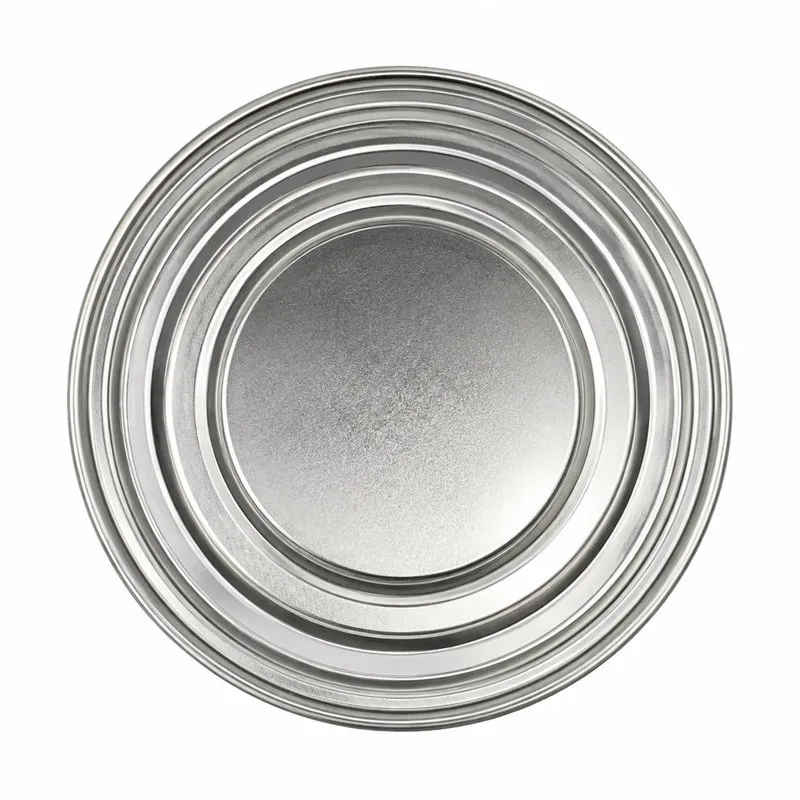
Round bottom lids are commonly used for cylindrical cans, paint containers, chemical cans and industrial metal packaging.
The formed concentric profile visible on many bottom ends helps provide rigidity and allows the lid geometry to match the corresponding can body.
Common commercial sizes such as approximately 108 mm can be supplied where appropriate tooling is available, while other diameters can be produced according to customer requirements.
Tinplate lids can be used as conventional top or bottom ends for food cans containing vegetables, fruits, beans, tomato products, seafood and other processed foods.
Food-can applications require the material, coating and sealing structure to be selected according to the filling product and thermal-processing conditions.
Customers should provide information about food acidity, salt, oil, processing temperature and expected shelf life when selecting the internal coating system.
Paint cans and coating containers frequently use tinplate or coated steel lids designed with friction-fit, ring-and-plug or similar closure structures.
These lids differ from food-can Easy Open Ends because they are generally designed for repeated manual opening and closing rather than removal through a scored panel.
Paint-can lid specifications should consider the container opening diameter, ring structure, closure interference, product chemistry and transportation requirements.
Tinplate and coated steel closures can also be used on small drums, metal pails and industrial cans containing coatings, adhesives, chemicals, powders and other materials.
Depending on the container design, the closure may function as a top cover, bottom lid, ring lid or plug-style component.
Customers should provide the container drawing or physical sample so that the lid profile and fit can be evaluated before bulk production.
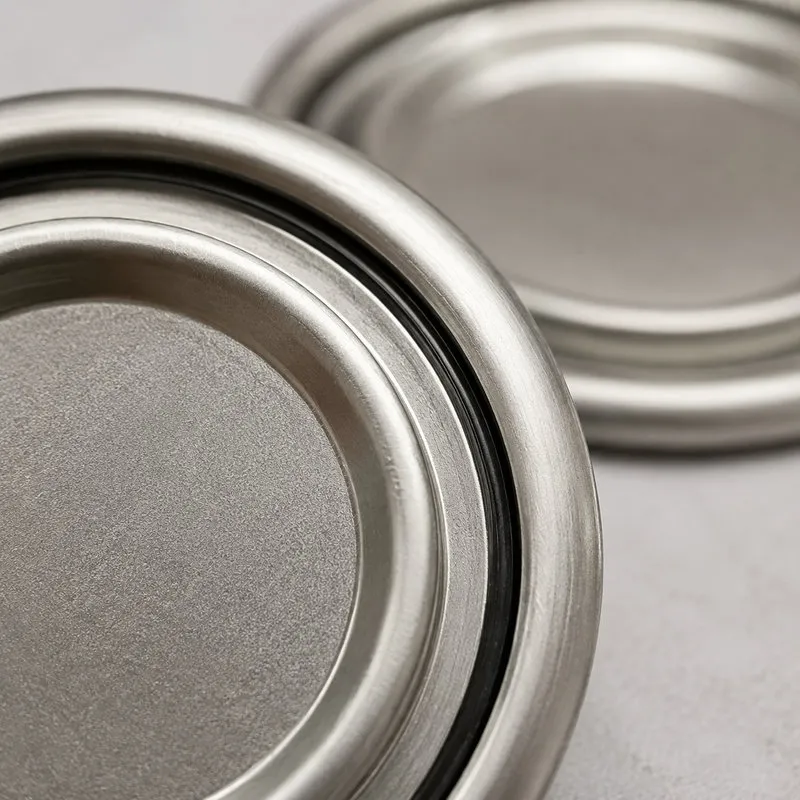
Ring lids use a formed annular structure that can work together with an inner plug or cover to create a closure system.
Friction-fit lids rely on controlled dimensional interference between the lid and container opening.
Dimensional tolerances are particularly important because excessive interference can make the lid difficult to close or open, while insufficient interference can reduce closure stability.
Two Tinplate Lids with the same nominal outside diameter may not necessarily be interchangeable.
Curl dimensions, recess depth, bead position, ring geometry, wall angle and container engagement profile can all affect fit.
For replacement projects, Henan GDD recommends providing both an existing lid sample and the matching container whenever possible.
Tinplate Lids can be customized according to drawings, samples and container dimensions.
The manufacturing process can include material selection, blanking, stamping, deep forming where required, curling, beading, coating, printing and sealing-compound application.
Existing tooling can be used for suitable standard sizes, while customized tooling can be discussed for special lid profiles and long-term production projects.
Internal coating selection depends primarily on the material stored inside the container.
Food products, water-based coatings, solvent-based paints and chemical products may require different coating systems.
Customers should provide basic information about the filling product and storage conditions before the final coating is confirmed.
For applicable food-packaging projects, Henan GDD can provide relevant third-party testing documentation for corresponding tinplate materials according to the available report scope.
Test documentation against applicable FDA 21 CFR 175.300 requirements can be provided where the supplied material corresponds with the product covered by the relevant inspection report.
This documentation should be described as a third-party test or inspection report against the referenced requirements rather than as an FDA-issued product certification.
Customers should provide the destination country, application and specific food-contact requirements before order confirmation so that available documentation can be reviewed.
Tinplate provides a suitable surface for coatings, colors, logos and customized printed designs.
Silver metallic surfaces can be retained for industrial packaging, while white, black, gold and other colors can be applied for product differentiation.
Logos, text and brand designs can also be printed according to approved artwork and order quantity.
A typical paint-can manufacturer requires round Tinplate Lids matched to an existing cylindrical metal container. The main technical confirmation points include lid diameter, ring profile, closure fit, material thickness and compatibility with the customer's filling and closing process.
For this type of replacement project, providing an existing lid and can sample allows the closure dimensions to be compared before mass production.
A food-can producer may require conventional tinplate bottom lids together with printed can bodies and Easy Open Ends.
In this type of project, material thickness, temper, internal lacquer, can diameter and double-seaming compatibility are reviewed together rather than sourcing each component independently.
Industrial packaging distributors often require several diameters of metal lids for paint, adhesives, lubricants or chemical containers.
Different filling products may require different internal coatings, while consistent lid dimensions are important for repeat orders and container compatibility.
Customer names, purchase prices and proprietary specifications are not published without authorization.
For an existing container, the most reliable approach is to provide the original lid and container sample together with basic dimensional information.
Key dimensions can include overall lid diameter, inner engagement diameter, cover depth, ring width, bead geometry and container-opening dimensions.
Photographs are useful for initial evaluation, but a drawing or physical sample is recommended before tooling or mass production is confirmed.
Tinplate Lid inspection can include diameter, height, profile dimensions, curl or ring geometry, surface appearance, coating condition and sealing-component condition.
Fit inspection with the corresponding can or container can be arranged where required.
Production photographs, dimensional inspection records, packing photographs and container-loading photographs can be supplied according to customer requirements.
Independent third-party inspection can also be arranged according to the inspection scope agreed in the purchase contract.
Material documentation helps trace the tinplate used for lid production back to the corresponding material batch.
MTC information can be provided according to the supplied material and production route.
Customers with specific requirements for material grade, temper, tin coating or documentation should confirm them before order placement.
Henan GDD supports compliant international export with technical, commercial and customs documentation prepared according to destination and contract requirements.
Available documents can include MTC, relevant third-party test reports, Certificate of Origin, export license where required, commercial invoice, packing list, bill of lading and customs declaration documents.
Product photographs, inspection records, packing photographs and loading photographs can also be provided according to customer requirements.
Destination-specific legalization, chamber endorsement and special customs documents should be confirmed before shipment.
Tinplate Lids should be protected against deformation, scratches, moisture and contamination during storage and transportation.
Finished lids can be stacked in protective sleeves or bags, placed into reinforced cartons and secured on pallets.
Packing labels can identify lid size, structure, color, coating, production batch and quantity.
Shipment can be arranged under EXW, FOB, CFR or CIF terms according to customer requirements.
Henan GDD supplies Tinplate Lids to food-can manufacturers, paint-can factories, chemical packaging manufacturers, metal-pail producers and international packaging distributors.
We support customized lid dimensions, structures, material specifications, coatings, colors, printing and packaging.
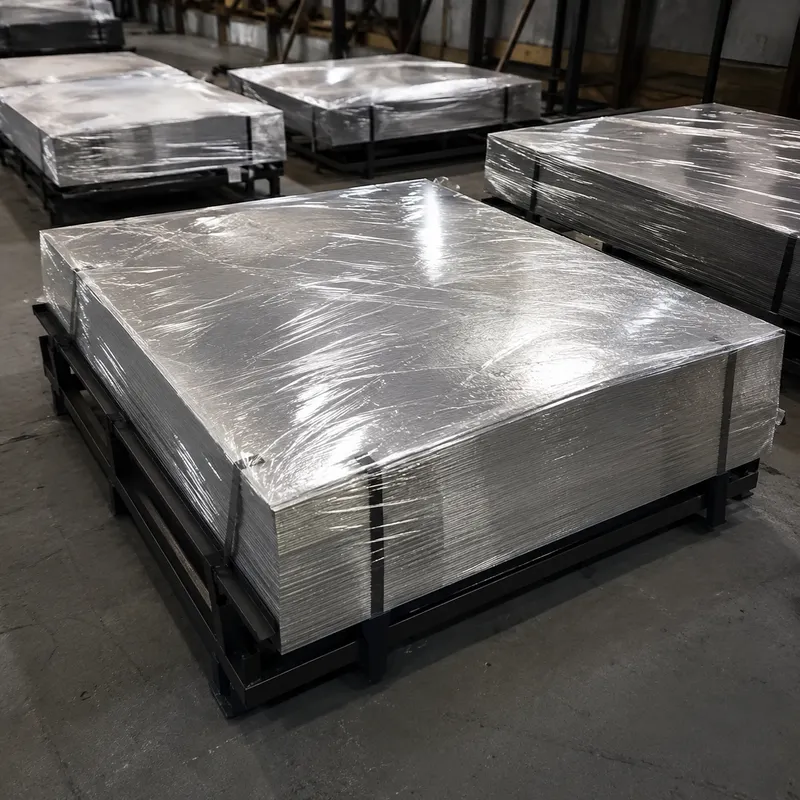
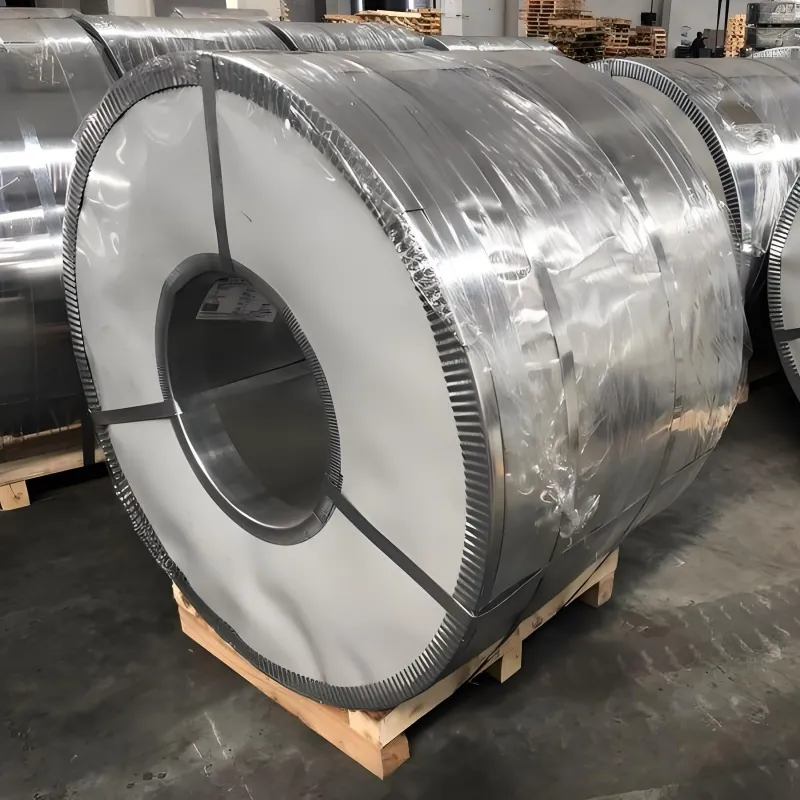
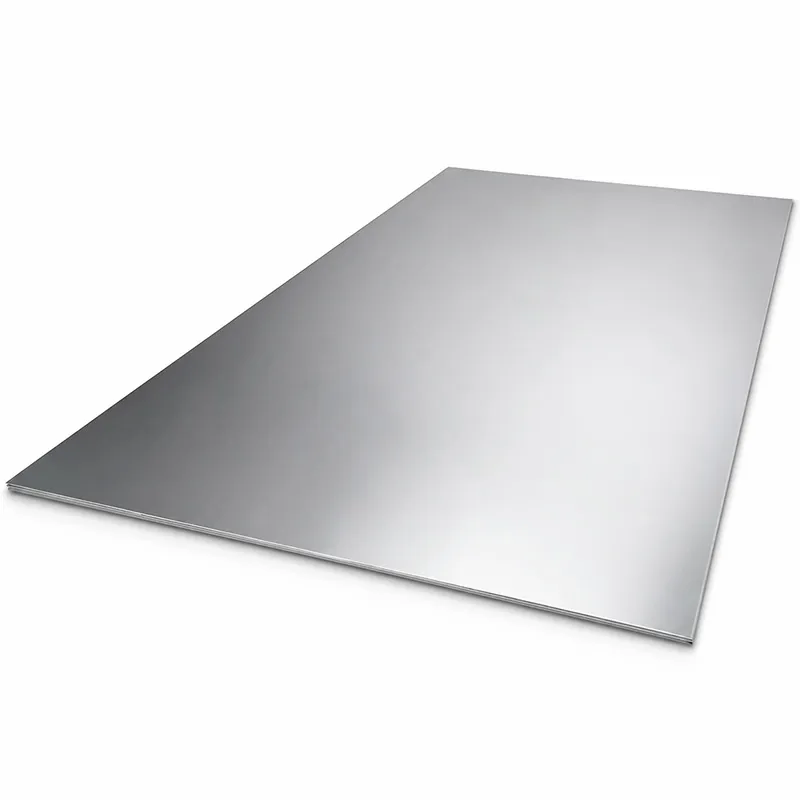
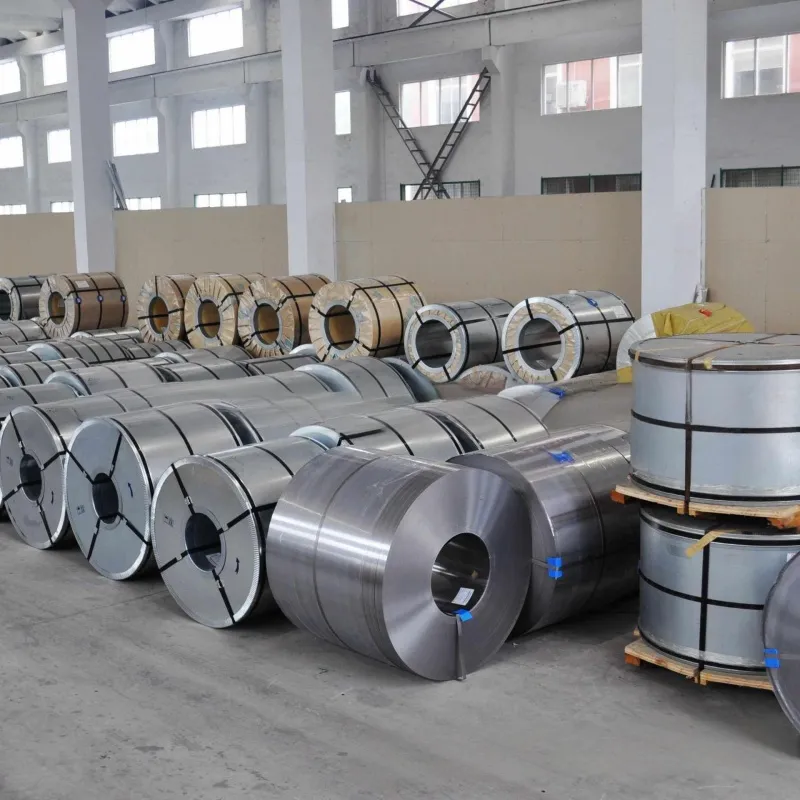
Our metal-packaging supply range also includes ETP/SPTE Tinplate Sheet, Tinplate Coil, printed tinplate, Easy Open Ends, Screw Caps and finished tinplate cans.
Existing samples and drawings can be reviewed before quotation to improve dimensional matching and reduce specification risk.
MTC, relevant test reports, Certificate of Origin, export license where required and complete shipping documents can be provided according to contract requirements.
A Tinplate Lid is a formed metal closure manufactured from electrolytic tin-coated steel for use on food cans, paint cans, pails, drums and other metal containers.
Multiple standard and customized diameters can be supplied according to available tooling. Customers can provide the exact container-opening dimensions, drawing or existing sample for matching.
108 mm and similar round lid dimensions can be discussed according to the required profile, structure, material thickness, quantity and available tooling.
Yes. Suitable tinplate lids can be produced for food cans when the material, internal coating and closure system are selected according to the filling product and processing requirements.
Yes. Friction-fit, ring and other Tinplate Lid structures can be discussed for paint cans, coating containers and industrial metal packaging.
MTC, relevant third-party test reports, Certificate of Origin, export license where required, commercial invoice, packing list, bill of lading and other agreed export documents can be provided.
Please provide lid diameter, container-opening dimensions, lid structure, material or coating requirements, application, quantity, destination port and preferably an existing drawing or sample.
Looking for Tinplate Lids for food cans, paint cans, metal pails, drums or other metal packaging?
Send Henan GDD your required lid diameter, container-opening dimensions, lid structure, filling product, coating requirement, quantity, destination port and required documentation.
If you already have an existing metal container, you can also provide the current lid sample, container sample or technical drawing for specification matching and quotation.