
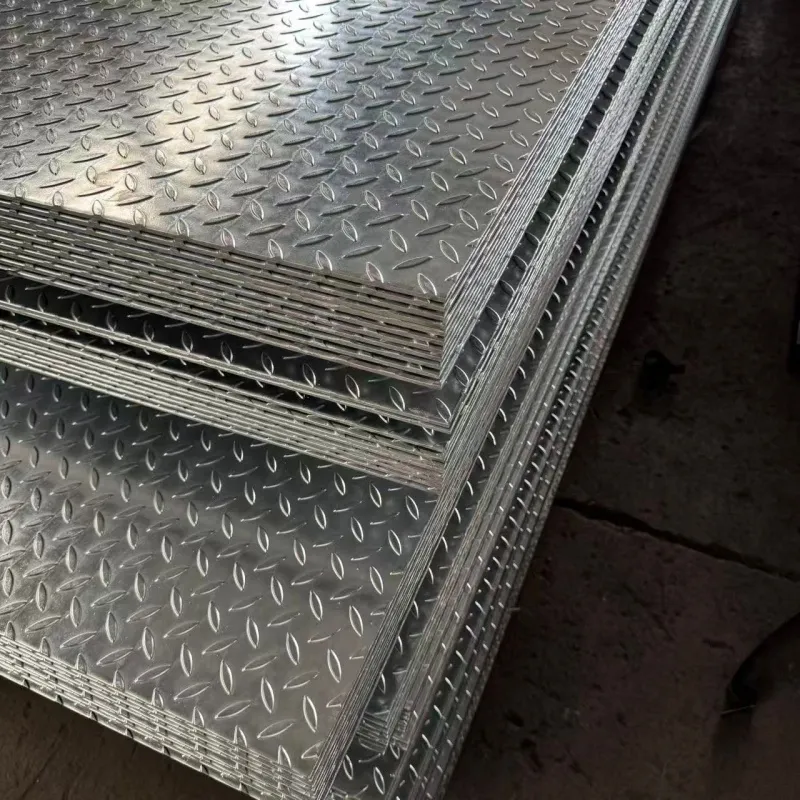
Galvanized Checkered Plate for Treads, Covers and Access Surfaces
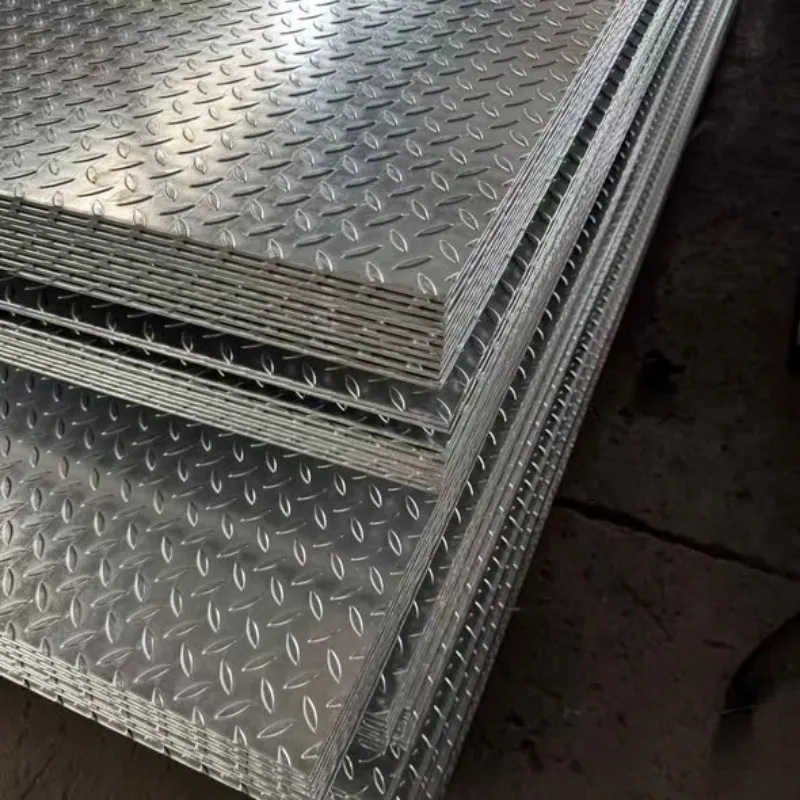
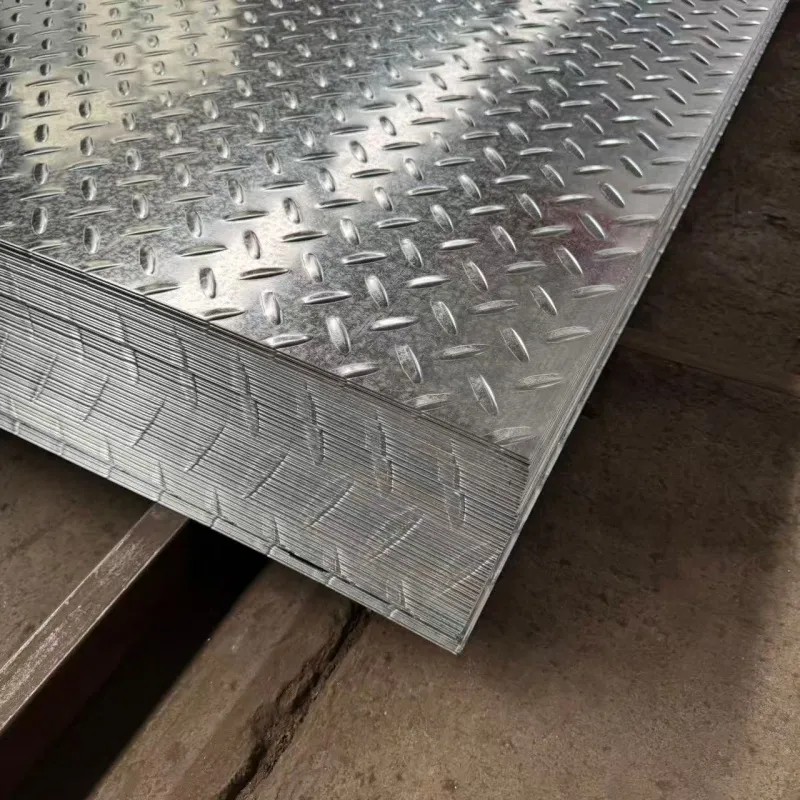
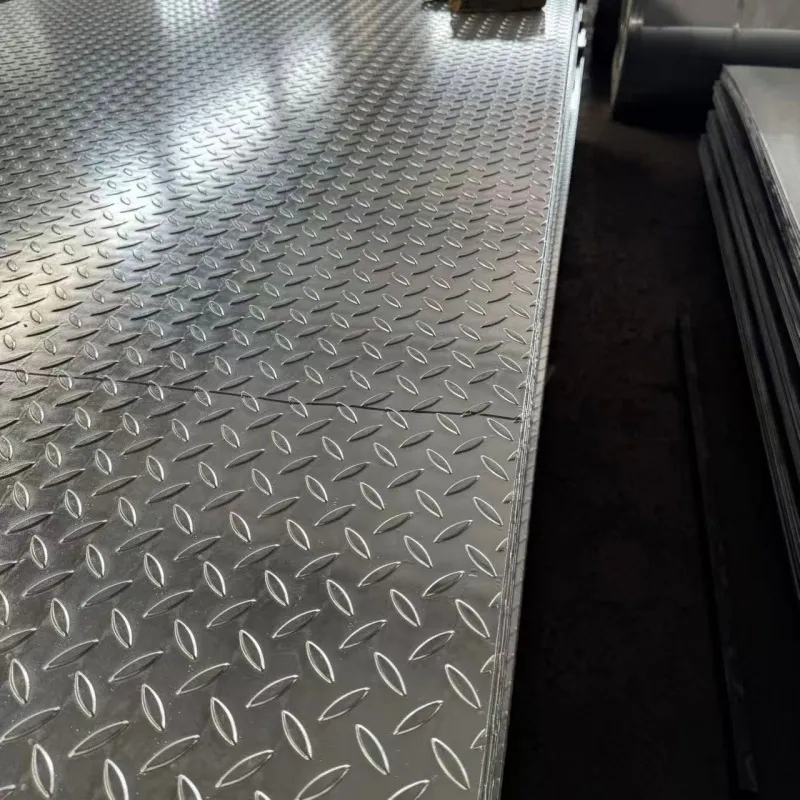
GDD Metal supplies galvanized checkered plate for buyers seeking a raised steel surface with zinc protection. Also called galvanized chequer plate or tread plate, it can be specified for stair treads, platform panels, access covers and vehicle steps, subject to the finished assembly's design requirements.
The raised pattern and the zinc coating perform different jobs: the pattern changes the contact surface, while the coating helps protect the steel against corrosion. Specify both, together with the base thickness and support arrangement, when requesting a quotation.
Product Parameters
| Parameter | Ordering Specification |
|---|---|
| Product | Galvanized checkered steel plate / chequer plate / tread plate |
| Base material | Carbon steel; grade and applicable material standard confirmed before quotation |
| Base thickness | To order; state the steel thickness excluding raised features and clarify coating allowance |
| Width and length | To the required blank size; confirm cutting tolerances and squareness |
| Pattern | Raised tread pattern; geometry, spacing, direction and height agreed by drawing or approved sample |
| Manufacturing route | Confirm embossed galvanized sheet or patterned plate galvanized after processing |
| Continuous-sheet coating | Where applicable, specify coating mass in g/m² and the relevant sheet standard |
| After-fabrication galvanizing | Where applicable, agree ISO 1461 or ASTM A123/A123M and the required coating acceptance criteria |
| Surface appearance | Dependent on galvanizing route; spangle preference subject to technical confirmation |
| Fabrication | Cutting, holes and bent edges by inquiry; processing sequence agreed before production |
| Inspection | Dimensions, base thickness, pattern, flatness, coating and identification, as agreed |
| Documents | MTC, Certificate of Origin and agreed inspection and export documentation |
The available size, grade, pattern and coating combinations depend on the production route. Confirm them in the quotation. A product photograph cannot establish coating mass, base thickness or load capacity.
What Does the Raised Pattern Do?
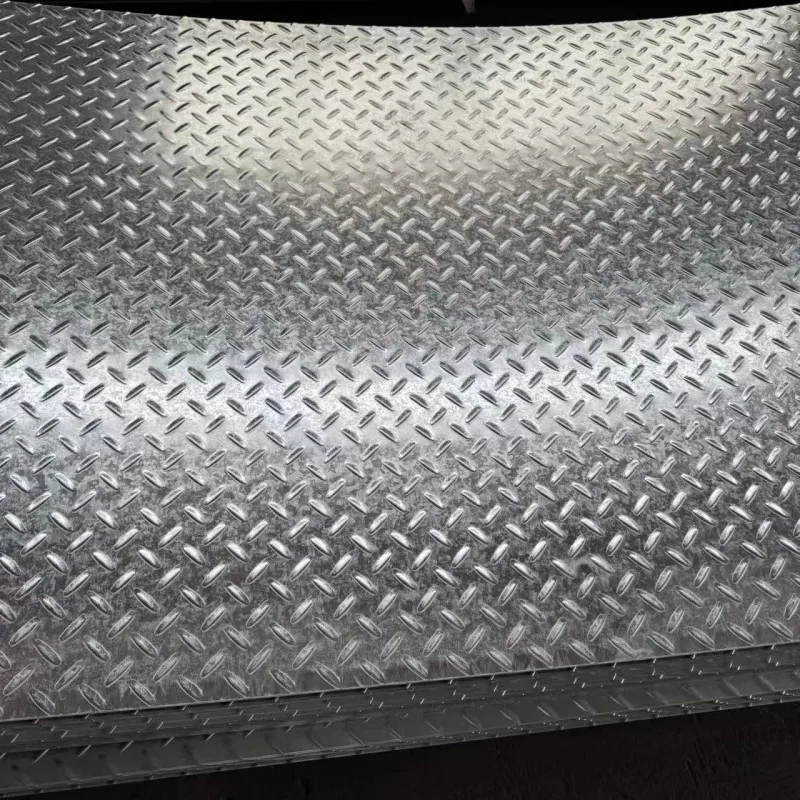
Raised ribs or studs interrupt a smooth contact surface and can help footwear or equipment engage with the plate. Performance depends on the pattern geometry, footwear, direction of movement, wear and surface contamination. A patterned plate should not be described as slip-proof.
The pattern is formed into the steel by the selected rolling or embossing process; it is not a printed decoration. For embossed sheet, the reverse face may have corresponding recesses. Request front and back samples when the underside will contact a support or finished surface.
Pattern height is not base thickness. A measurement over the raised features does not establish the steel thickness used for structural design. Load capacity depends on the plate section, steel properties, clear span, supports and fasteners.
Solid checkered plate also does not drain like open grating. Outdoor steps and ramps need suitable drainage and cleaning arrangements, especially where water, oil or mud may collect. Any required slip-resistance classification should be verified for the finished surface under the specified test conditions.
Confirm When the Steel Is Galvanized
Embossing Pre-Galvanized Sheet
In this route, the sheet has a zinc coating before embossing or subsequent fabrication. Evaluate the finished pattern for coating damage at highly formed areas. Cutting and drilling after galvanizing create exposed edges that need to be considered in the corrosion-protection plan.
Galvanizing After Patterning and Fabrication
In this route, the steel is patterned and the agreed fabrication is completed before immersion in zinc. Accessible cut edges and holes can then receive coating. Agree flatness, permissible zinc build-up and fit requirements, especially where plates must sit flush or bolt into frames.
How to Compare Zinc Coatings
For continuous galvanized sheet, common coating-mass designations describe zinc across both faces. As an example, Z275 refers to a 275 g/m² total-both-sides coating requirement under the applicable standard, not 275 g/m² per face.
Within the same sheet-coating system, 100, 180 and 275 g/m² represent increasing zinc mass per sheet area. More coating generally provides a greater corrosion-protection reserve under comparable exposure, but a numerical coating designation does not guarantee a fixed service life.
After-fabrication galvanizing is commonly specified by coating thickness in micrometers, with acceptance criteria linked to the standard and article. Do not treat a coating thickness in micrometers as the same number in g/m², or apply sheet-coating designations to a batch-galvanized plate without clarification.
Tell us whether the component will be used indoors, outdoors, near the sea or around chemicals, and whether its underside traps moisture. These details help define the coating requirement and any additional protection.
Checkered Pattern vs Zinc Spangle
The checkered pattern is the raised geometry in the steel. Spangle is the visible zinc crystal pattern on the coating. They are different surface features.
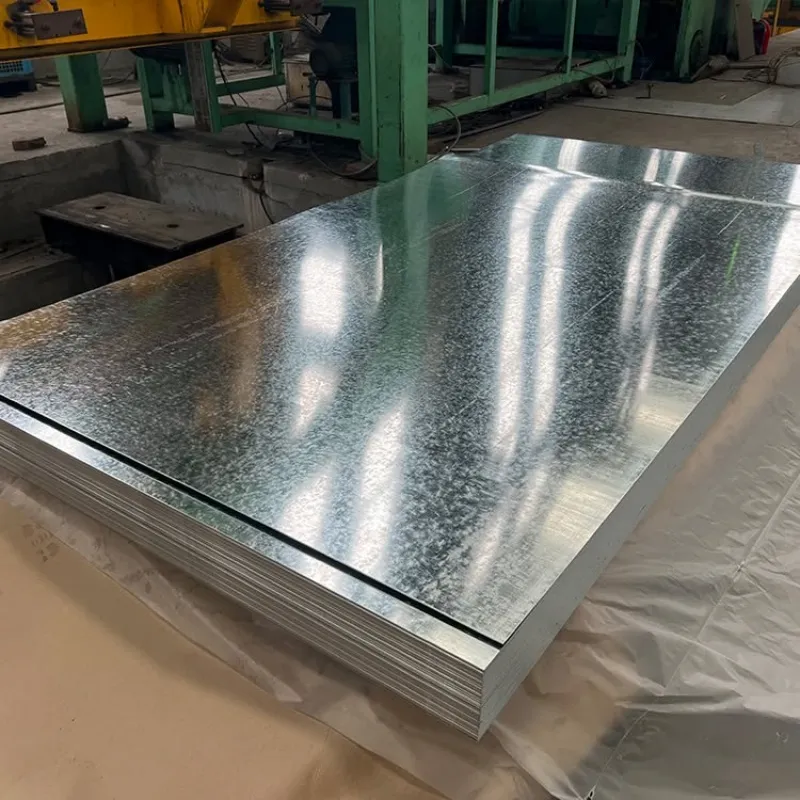
Regular-spangle galvanized sheet has visible crystal patterns. Minimized or zero-spangle sheet has a less visible pattern and may be preferred when appearance or subsequent finishing matters. Zero spangle still has a zinc coating.
For plates galvanized after fabrication, bright, dull or mixed finishes may occur. Do not assume that the appearance choices offered for continuous sheet are available for every batch-galvanized plate. Approve a representative sample if appearance is important.
Spangle size is not a substitute for coating inspection. Neither a shiny finish nor a large zinc crystal pattern proves a thicker coating or a higher slip-resistance rating.
Application Examples
These are illustrative procurement scenarios, not verified customer projects or testimonials.
Industrial Platforms and Maintenance Walkways
A fabricator needs panels that fit an existing support frame. Supply the clear span, loads, support details and fixing layout, along with the desired pattern. Confirm the engineered base thickness and inspect panel fit and rocking before installation.
Stair Treads and Access Steps
A stair supplier should provide tread dimensions, nosing details, attachment points and service conditions. Evaluate the finished tread surface, including any paint or coating, against the required slip criteria. The plate pattern alone does not replace correct step design.
Vehicle Steps and Trailer Access Areas
A vehicle-body builder may use patterned panels in access areas subject to repeated foot traffic. Confirm support spacing, fastener locations, cleaning methods and exposure to road salts. Where wheels or loading equipment will travel over a panel, include the actual wheel loads in the design review.
Removable Access Covers
A maintenance contractor needs a cover that seats securely in a frame and can be lifted when required. Specify the opening, bearing edges, lifting arrangement and whether pedestrian or vehicle loads apply. Match the galvanizing sequence to the completed holes, edges and fixing details.
Inspection, Packing and Export Support
GDD Metal can provide an MTC, Certificate of Origin, export license where required, commercial invoice, packing list, bill of lading and relevant customs documents. Confirm the destination and document requirements before order placement.
Agree checks for base thickness, sheet size, pattern height, flatness, holes, edge condition and zinc coating. Coating measurements on a patterned surface need an agreed sampling method suitable for its geometry. Third-party inspection can be arranged according to the order.
For packing, confirm panel weight, lifting access and bundle limits. Protect raised surfaces and edges during handling, keep packs dry, and avoid storing wet plates tightly stacked.
Frequently Asked Questions
Is this the same as ordinary galvanized sheet?
No. It has a raised tread pattern. For applications requiring a flat surface without raised features, see our galvanized steel sheets.
Can I select plate thickness from a photograph?
No. Supply the required base thickness or an engineered drawing. The visible pattern and stacked edges are insufficient to establish a load rating.
Does galvanized checkered plate remain safe when oily?
Oil can reduce grip even on patterned surfaces. Choose the surface using the actual service conditions and required testing, and maintain cleaning and drainage arrangements.
Can you supply custom holes and bent edges?
Send the drawing for review. Confirm which operations take place before galvanizing and how any later cuts or coating damage will be treated.
What information is needed for a quotation?
Provide the steel grade, base thickness, width, length, pattern, coating requirement, quantity, application and destination port. For fabricated panels, include the drawing and dimensional tolerances.
Request a Galvanized Checkered Plate Quote
Send your drawing or target specification to GDD Metal. We will review the proposed material, pattern, galvanizing route and document requirements, and confirm available supply options.
Get a Checkered Plate Quote