
Tin Jars for Custom Packaging
GDD Metal supplies tinplate containers for brands, packers and packaging distributors. Share your contents, target capacity and preferred opening so we can review a suitable body, closure and finish.
This Tin Jar range is specified by application. A decorative tea tin, an edible-oil container and a paint can require different constructions and compatibility checks; one model should not be assumed suitable for all three.
Product Specifications
Dimensions, capacity and available features are confirmed against the selected model and approved sample.
| Parameter | Specification / Order Requirement |
|---|---|
| Product | Tin Jar / Tinplate Container |
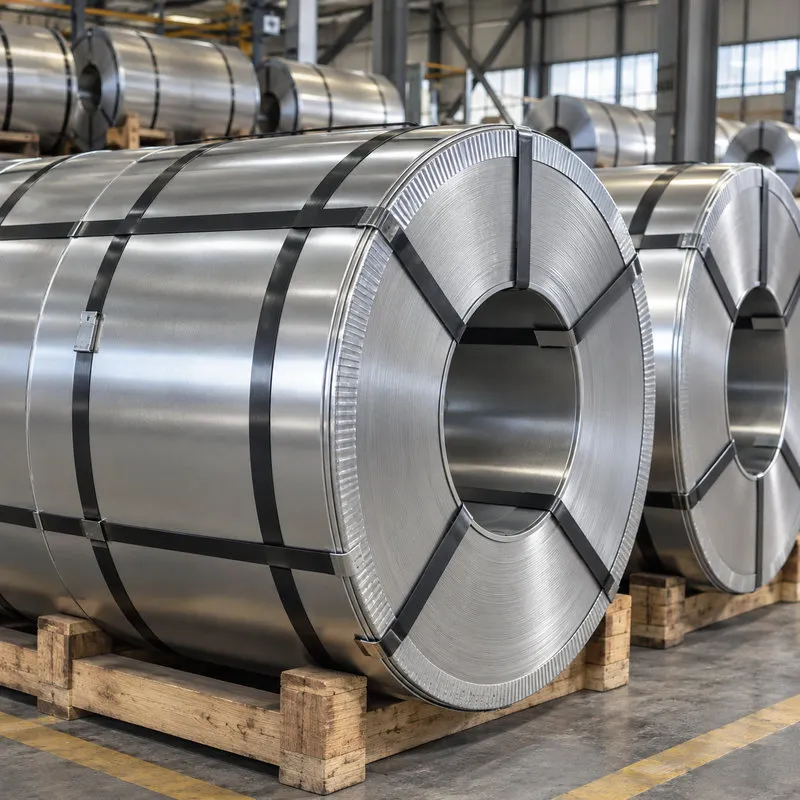
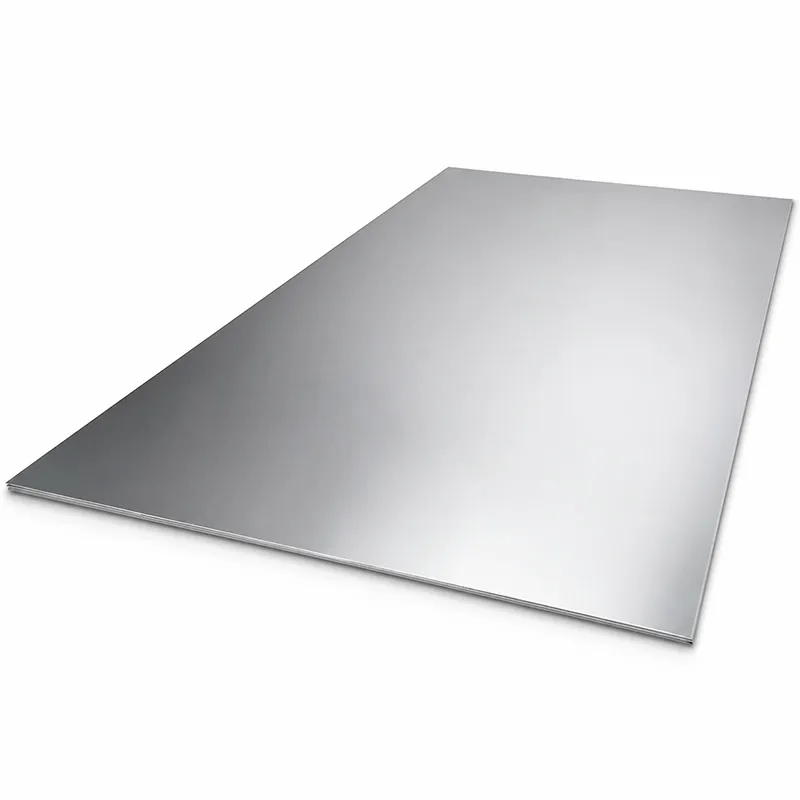
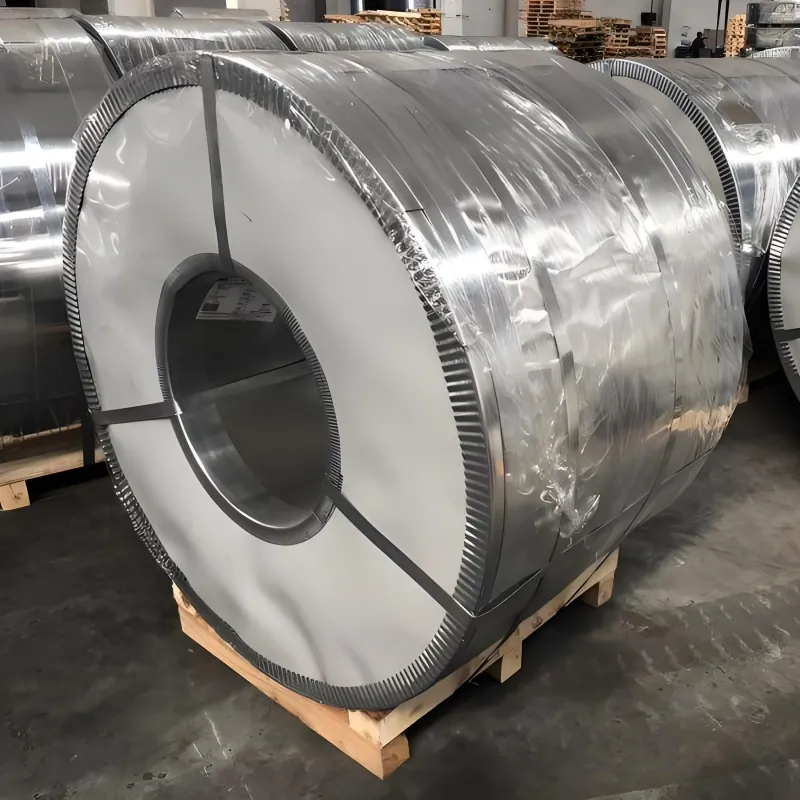
| Body material | Electrolytic tinplate: tin-coated steel |
| Capacity | Nominal fill and brimful capacity agreed separately |
| Dimensions | Diameter or length × width, height and opening dimensions per approved drawing |
| Shape and construction | Selected model or custom proposal; tooling feasibility confirmed before quotation |
| Steel thickness / temper | Selected for forming, body size and handling requirements |
| Tin coating | Examples: 2.8/2.8, 5.6/5.6 or 5.6/2.8 g/m²; final specification by agreement |
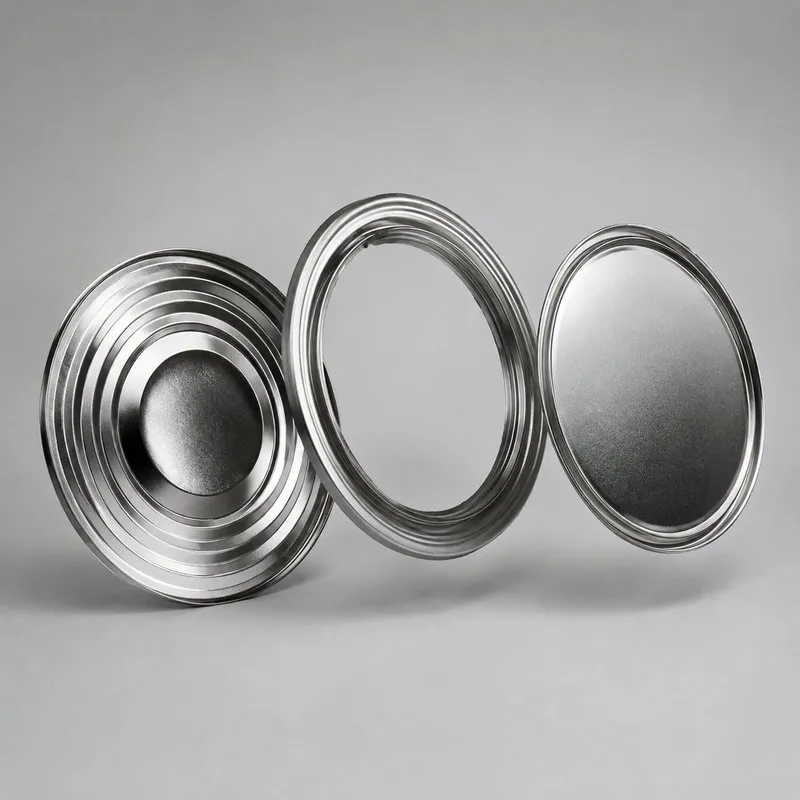
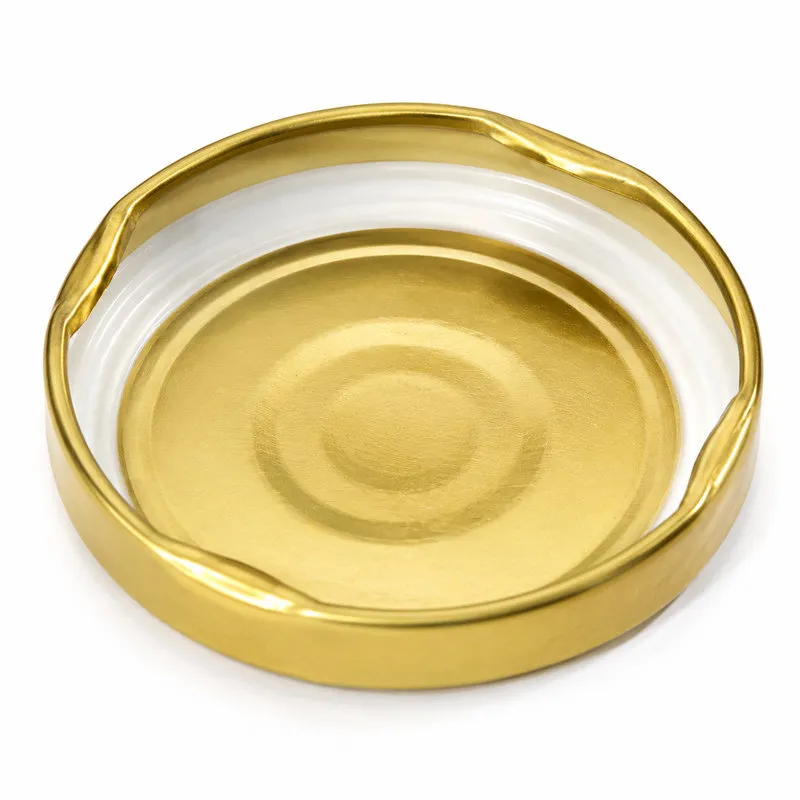
| Closure | Slip lid, screw closure, friction lid or purpose-designed end, subject to model availability |
| Internal protection | Bare or lacquered condition only as validated for the specified contents |
| External finish | Plain, printed or coated finish by agreement |
| Accessories | Seal, spout, handle or insert requirements reviewed separately |
| Intended contents | Defined per model; food, oil and paint applications require different approved specifications |
| Inspection | Dimensions, finish, closure fit and application-specific integrity checks |
| Documents | COO, traceable material MTC, export license where required, and commercial/shipping documents |
| MOQ / lead time / packing | Quoted by model, quantity, artwork, tooling and packing requirements |
What Can Tinplate Containers Hold?
Potential uses include tea, biscuits, confectionery, coffee, spices, dry goods, gift items and small accessories. Purpose-designed formats also serve edible oils, paints, varnishes and selected industrial products. Choose the packaging specification before approving the artwork.
- Dry foods: Assess moisture and aroma protection; an inner bag or membrane may be needed.
- Gifts and accessories: Prioritize appearance, lid fit, internal dimensions and protection during transport.
- Liquids: Specify suitable seams, seals and closures, then conduct leakage and compatibility trials.
- Heat-processed foods: Use a can and end system validated for the actual filling and thermal process.
Why Use Tinplate?
Tinplate combines a steel substrate with a thin tin coating. It can be formed, decorated and assembled into many container designs. Steel thickness and temper govern forming and stiffness; tin coating and any lacquer contribute to the surface protection system.
An opaque metal wall blocks light and provides a barrier to gas and moisture transmission through that wall. Package performance also depends on seams, closures and seals. A loose-fitting decorative lid does not make an airtight container.
Why Paint Brands Choose Tinplate Containers
Tinplate paint containers offer a rigid body, printable labeling area and established closure formats. A suitable wide opening helps users stir the contents and access the product; a correctly designed friction closure can support reclosing.
For water-based paint, review internal corrosion protection. For solvent-based paint or varnish, evaluate compatibility with the body finish, lining, seals and closure. Neither a bare interior nor a lacquered interior is universally suitable.
Provide formulation information and the intended storage conditions. Test the complete filled pack for leakage, coating interaction and closure performance. An ordinary tin jar is not automatically qualified for hazardous-goods transport.
Why Edible Oils Use Tinplate Packaging
Light exposure can contribute to oil deterioration. An opaque tinplate body helps protect light-sensitive oils, while a suitable sealed package limits external oxygen entry. This makes metal packaging an option for olive oil and other edible-oil products.
Specify a food-contact-compatible internal system, seams and a closure or pouring spout appropriate to the product. Review tamper evidence and consumer pouring needs as part of the same design.
Packaging does not remove oxygen already present in the oil or headspace. Filling conditions, closure integrity and storage temperature remain important. Shelf life must be established with the actual oil and complete package rather than inferred from tinplate alone.
Understanding Different Tin Coating Weights
The paired numbers describe nominal tin mass on each face, not steel thickness. Actual acceptance limits follow the agreed material standard.
- 2.8/2.8 g/m²: Equal coating, totaling 5.6 g/m² across both faces.
- 5.6/5.6 g/m²: Equal coating with more tin on each face, totaling 11.2 g/m².
- 5.6/2.8 g/m²: Differential coating, totaling 8.4 g/m²; identify the intended inside and outside faces.
A heavier coating may be selected where the application justifies it, but it does not guarantee longer shelf life or replace an appropriate lacquer. Specify contents, forming, seams and storage together. These are material examples, not a statement that every jar uses the same coating.
Choose Capacity and Closure Before Printing
Capacity: Distinguish nominal fill from brimful volume and allow the required headspace. For dry goods, use measured bulk density as a starting point and verify the fit with an actual filling trial.
Closure: Decide whether the buyer needs a removable lid, pouring function, tamper evidence or a sealed end. Confirm the fit on a physical sample; appearance alone cannot demonstrate leak resistance.
Artwork: Approve colors, text, seam placement and lid orientation. Keep important graphics clear of overlap and heavily formed areas.
Illustrative Customer Applications
These examples describe purchasing scenarios, not completed orders or customer testimonials.
Tea Brand: A Reusable Retail Tin
A tea brand could select a decorated jar with a removable lid and a sealed inner pouch. Sample approval would cover pack fit, print appearance and the complete pack's moisture protection.
Edible-Oil Packer: A Pouring Container
An oil packer could request a purpose-designed tinplate container with a compatible internal finish and pouring closure. Filling trials would check headspace, sealing and pouring, followed by an agreed storage evaluation.
Paint Producer: A Reclosable Pack
A paint producer could evaluate a friction-lid container using its actual formulation. The approval plan would check filled-pack leakage, internal condition and lid performance after opening and reclosing.
Samples, Inspection and Export Documents
Before bulk production, agree the drawing, material, finish, closure and packing specification. Inspect sample dimensions and workmanship, then perform the application-specific filling and transport checks.
We can provide a Certificate of Origin, traceable tinplate MTC, export license where required, and the agreed commercial invoice, packing list, shipping and customs documents to support compliant export.
The raw-material MTC does not replace finished-container inspection or food-contact documentation. Define any required reports for the supplied lining, closure and intended use before ordering.
Frequently Asked Questions
Is a tin jar made from solid tin?
No. This product uses tinplate: a steel base with a thin tin coating.
Can a gift tin be used for edible oil or paint?
Only if its complete construction is designed and validated for that use. A decorative storage tin should not be assumed liquid-tight.
Are all tin jars food-safe or BPA-free?
No blanket claim applies. Food-contact suitability and any BPA-related claim depend on the actual materials, lining, closure and supporting documentation.
Does a higher tin coating make the jar stronger?
Body strength depends mainly on steel grade, thickness and geometry. Tin coating is a surface specification.
What affects the MOQ and delivery time?
Model availability, tooling, artwork, lining, accessories and quantity all affect the quotation.
Request a Tin Jar Quote
Send your contents, fill quantity, target dimensions, closure preference, artwork, order quantity and destination. Include filling or heating conditions and any required documentation.