

Why Are Porridge, Tomato Paste, Edible Oil and Milk Powder Packed in Tinplate Cans?
Summary: Tinplate combines a formable steel core with a thin tin layer, while the right food-contact lining, seams and closure complete the package. Learn why coatings still matter, why galvanized steel is a poor default for acidic foods, where TFS/ECCS can replace tinplate, and how three-piece steel cans compare with two-piece aluminum cans.
Tags: Tinplate Food Cans, Three-Piece Cans, Food-Contact Lacquer, Tomato Paste Cans, Porridge Cans, Edible Oil Cans, Milk Powder Cans, TFS ECCS, Galvanized Steel, GDD Metal
Eight-treasure porridge, tomato paste, edible oil and milk powder have different moisture, acidity, fat and processing requirements. Yet all may be packaged in a properly specified tinplate can. The attraction is the combination of a strong, printable steel body; a tin-coated surface; a suitable interior lining when needed; and a closure designed for the actual product and filling process. There is no single “food-grade tinplate” specification that makes every can suitable for every food.
Tinplate Is a Layered Packaging Material
Electrolytic tinplate, also called ETP or SPTE, is cold-rolled steel with a controlled tin coating. The steel contributes formability, stiffness and strength; the tin layer protects the underlying steel in the intended system and supports canmaking. For many commercial foods, manufacturers add an internal food-contact lacquer or polymer lining. Outside the can, a printed base coat and protective varnish serve mainly for branding and exterior durability. Exterior decorative paint is not a substitute for a qualified internal food-contact lining.
A lining does not make the tin coating useless. Tin coating mass, passivation, surface quality and damage control still affect manufacture and package behavior, especially at cut edges, scratches and other exposed locations. The organic lining adds another layer that limits direct interaction between food and metal; the seam, side-stripe and closure must also be compatible. The FAO/Codex guidance explains that internal lacquering reduces detinning caused by aggressive foods and extends the range of foods that metal cans can hold. It also discusses plain, unlined tinplate cans, so lacquer should be selected by application rather than described as mandatory for every tinplate food can.
Four Foods, Four Packaging Decisions
Eight-treasure porridge: A wet, cooked mixture may contain grains, beans, sugar and other ingredients. The can body, interior lining, easy-open end and double seams must work with the formulation and validated thermal process. The packer must establish commercial sterility and shelf life for the finished product.
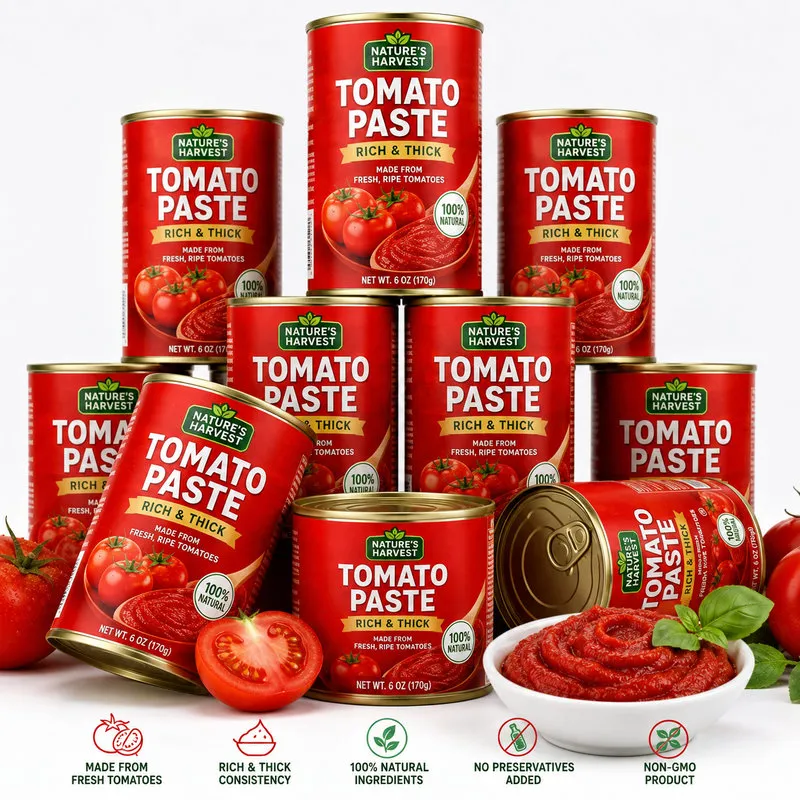
Tomato paste: Acidity makes lining selection and coating continuity especially important. A compatible lacquer can reduce direct contact and detinning, while sound side-seam protection and end seams help preserve the package through processing and storage.
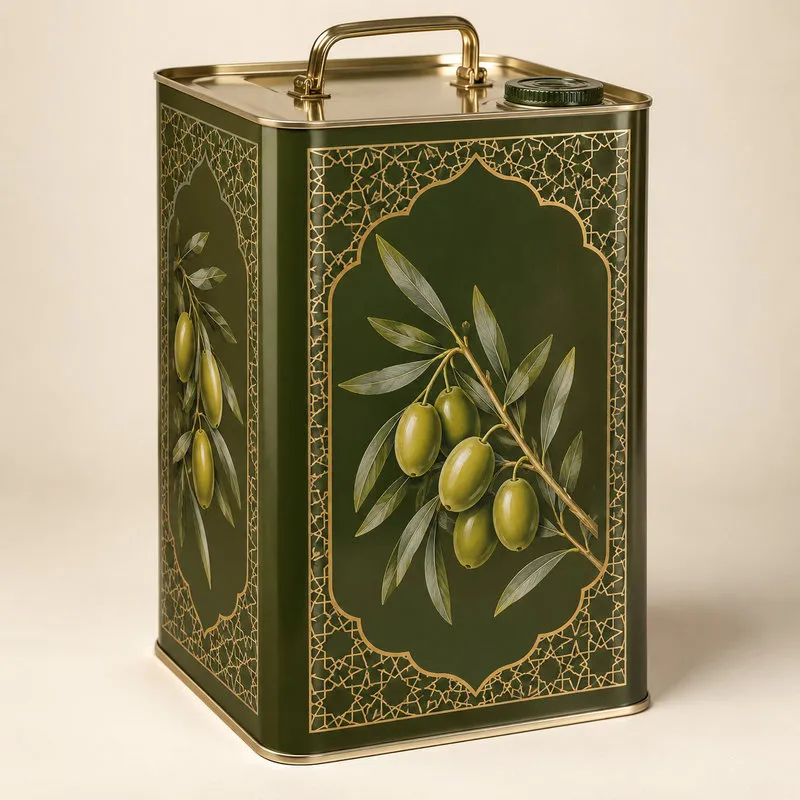
Edible oil: An opaque metal wall shields the oil from light and offers a printable body and controlled pouring closure. Oil chemistry, headspace, oxygen exposure and the chosen liner and gasket still need filled-pack evaluation. A can made for lubricating oil is not automatically acceptable for edible oil.
Milk powder: A rigid can offers handling protection and a large printed surface. Moisture and oxygen protection depend heavily on the intact closure, seams and storage conditions. A peelable first-opening membrane paired with a reusable outer lid is one option for repeated access after opening; its performance needs to be tested as a complete pack.
Explore GDD’s tinplate food can options and our edible oil can specification guide.
Why Not Simply Paint Galvanized Steel?
Galvanized steel has a zinc coating intended mainly for other corrosion-protection uses. Acidic food contacting exposed zinc can create zinc salts, so damage to a liner, cut edges, welds or a closure would matter. The FDA Food Code 2022, section 4-101.15, states that galvanized metal may not be used for utensils or equipment food-contact surfaces used with acidic food. The same provision appears in the Food Code 2026. This is a model retail food-service code, not a stand-alone blanket prohibition on every coated commercial food can; it is nevertheless a clear warning against treating zinc-coated sheet as an interchangeable food-can substrate for tomato paste or other acidic products.
A food-contact coating alone does not qualify an arbitrary substrate. Its adhesion, forming performance, corrosion resistance, cut-edge protection, weld or seam compatibility and permitted food-contact uses must all be demonstrated. Established tinplate and qualified alternatives have application-specific material and coating routes; a galvanized sheet plus a generic “food-grade paint” label does not provide that evidence.
Can a Coated Food Can Use TFS/ECCS Instead?
Yes, in a design qualified for that use. Tin-free steel (TFS), also called electrolytic chromium-coated steel (ECCS), is a steel substrate with a chromium-based surface layer rather than a tin layer. ArcelorMittal says ECCS for food products is used with organic protection such as lacquer or polymer; JFE lists food and beverage cans among its applications. This demonstrates that food-can performance is a property of the substrate, lining, forming route, closure, contents and process together, not proof that tin is the only possible food-packaging metal.
The change is not a direct material swap. Conventional high-speed resistance-welded three-piece bodies are normally specified in weldable tinplate; ArcelorMittal notes that ECCS is not suitable for that welded body route. Coated ECCS may instead be suitable for qualified ends, drawn can formats or other compatible components. Confirm coating adhesion after forming, seam geometry, corrosion results, filling conditions and local food-contact requirements before approving a substitute.
Three-Piece Tinplate vs. Two-Piece Aluminum
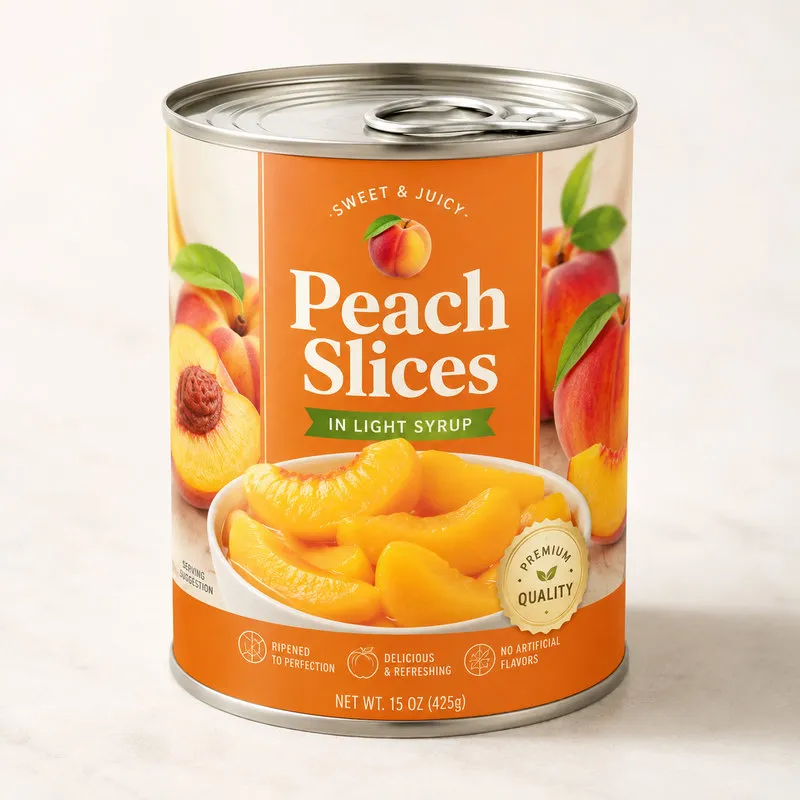
A typical three-piece tinplate can has a rolled and welded body plus a separately seamed bottom and top. For a given body diameter, changing the cut blank height can make height and capacity customization relatively flexible, subject to tooling, strength and line limits. Steel’s stiffness also helps a suitably designed body maintain its shape under handling and stacking loads. Separately chosen body and end specifications support a wide range of food formats and exterior printed designs.
A common two-piece aluminum can combines the body and bottom in a drawn or drawn-and-ironed shell and adds one top end. It uses no welded side seam or separate bottom seam and can be very light, but its body dimensions are tied more closely to forming tooling. The comparison is between these manufacturing routes: steel can also be made into two-piece containers, aluminum has custom shapes, and actual dent resistance depends on gauge, geometry and design. Neither construction is automatically safer or more airtight; seam integrity and product-specific qualification decide performance.
Indicative Specifications to Confirm Before Ordering
| Parameter | Indicative option or buyer input |
|---|---|
| Substrate | ETP/SPTE for weldable three-piece bodies; coated TFS/ECCS for qualified compatible components |
| Tinplate thickness | Indicatively 0.13–0.50 mm; final gauge by drawing, load and forming process |
| Temper and tin coating | Select temper by component; example tin coating 2.8/2.8 or 5.6/5.6 g/m², subject to application |
| Interior finish | Qualified food-contact lacquer or polymer lining as needed for the actual formula and process; BPA-NI option by specification |
| Can and closure | Round or other toolable form; conventional end, easy-open end, pourer, or dry-food seal with outer lid |
| Validation | Coating compatibility, food-contact testing, seam checks, thermal-process trials and shelf-life study as applicable |
These are configurable examples, not guaranteed stock sizes or universal food-contact approvals. Read more about ETP tinplate sheet, TFS easy-open ends and tinplate easy-open ends.
Food-Contact Evidence and Export Support from GDD Metal
Henan GDD Metal Materials Co., Ltd. supports custom food-can and lid projects, including tinplate selection, printed body artwork, can and end matching, lining choices and export coordination. For an agreed material and order, we can provide the relevant mill test certificate (MTC), applicable export license documentation and available food-grade tinplate or food-contact test reports. The precise report must match the actual substrate, coating, food type, processing conditions and destination market. A steel MTC alone does not certify a finished lined can or its contents.
Send us your food formulation, target fill volume, desired diameter and height, filling and sterilization conditions, opening style, artwork, order volume and destination. We can review a practical specification and sample route with you. Contact GDD Metal for a tinplate packaging quotation.
Research basis: FAO/Codex, Code of Practice for the Prevention and Reduction of Inorganic Tin Contamination in Canned Foods; U.S. FDA, Food Code 2022 and Food Code 2026, section 4-101.15; ArcelorMittal Packaging, Steels for Packaging and its three-piece can-body guidance; JFE Steel, Tin Free Steel; FAO guidance on two-piece and three-piece cans. Regulatory applicability must be checked for the destination and finished package.